
A dental website is no longer just an online brochure. For most practices, it is the first interaction a potential patient has with the clinic. If that experience feels confusing, outdated, or untrustworthy, visitors leave without making contact. If it feels clear, reassuring, and easy to use, browsers are far more likely to become booked patients.
This blog explains the seven essential website features that consistently turn casual visitors into enquiries. These elements sit at the intersection of design, usability, and search visibility, and are most effective when delivered by experienced dental web designers working alongside a specialist seo agency for dentists.
Why Most Dental Websites Struggle to Convert
Many dental websites look visually acceptable but fail to generate enquiries. This usually happens when design and functionality are treated as separate tasks rather than one connected patient journey.
Patients do not visit dental websites to admire layouts. They visit to find reassurance, clarity, and a quick path to booking. A website must anticipate uncertainty, reduce hesitation, and guide visitors calmly towards the next step.
Conversion-focused features do exactly that.
Feature 1: Clear, Patient-Focused Messaging Above the Fold
The area a visitor sees first plays a decisive role in whether they stay or leave. If messaging is vague, overly clinical, or cluttered, trust is lost immediately.
Effective websites communicate three things clearly at the top:
- Who the practice is for
- What problems it solves
- How a patient can take the next step
Language should focus on patient needs rather than internal services. Clarity builds confidence, and confidence drives action. This is where strong collaboration between dental web designers and SEO specialists becomes essential, ensuring messaging supports both users and search intent.
Feature 2: Simple, Conversion-Driven Navigation
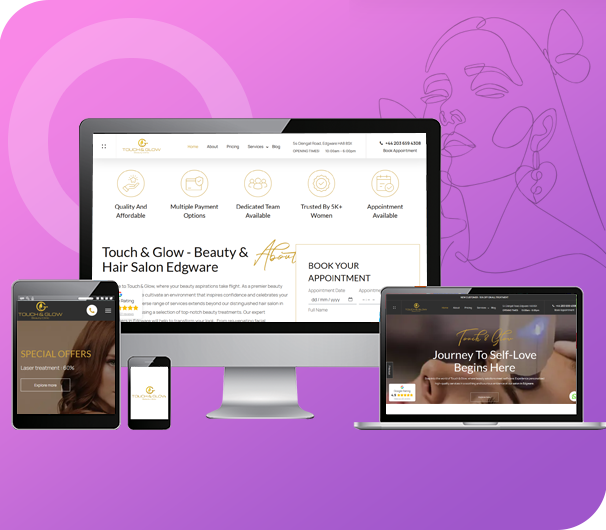
Confusing menus are one of the biggest barriers to enquiry. Patients should never have to think about where to click next.
Well-structured navigation:
- Groups services logically
- Highlights key treatments clearly
- Keeps contact and booking options visible
Navigation should guide visitors naturally from general information to specific services, then towards making contact. Clean navigation also supports search engines by improving crawlability and page relevance, a key part of long-term performance managed by a seo agency for dentists.
Feature 3: Mobile-First Design That Works Seamlessly
Most dental website traffic now comes from mobile devices. If a site does not perform well on smaller screens, conversions drop sharply.
A mobile-first website includes:
- Tap-friendly buttons
- Click-to-call functionality
- Fast-loading pages
- Clear spacing and readable text
Mobile usability is no longer optional. It directly affects user behaviour, search visibility, and enquiry rates. Skilled dental web designers prioritise mobile experience from the beginning rather than adapting desktop designs later.
Feature 4: High-Trust Visual Design and Branding
Patients often judge a dental practice by its website before judging its clinical expertise. Visual quality strongly influences perceived professionalism.
Trust-focused design includes:
- Clean layouts with sufficient white space
- Calm colour palettes
- Consistent typography
- High-quality imagery
Outdated or generic designs can create doubt, even if the clinical care is excellent. Visual trust signals support emotional comfort, which is essential for encouraging first-time patients to make contact.
Feature 5: Strong Calls to Action That Guide Behaviour
Many dental websites rely on generic calls to action such as “Contact Us”, which fail to guide users clearly. Strong calls to action reduce uncertainty and tell visitors exactly what to do next.
Effective calls to action:
- Use reassuring language
- Appear at logical points on the page
- Are visible without being intrusive
Placement matters just as much as wording. Calls to action should appear after reassurance, not before it. This approach aligns design psychology with conversion strategy, a balance often refined by a specialist seo agency for dentists working closely with design teams.
Feature 6: On-Page SEO Built for Real Patients
SEO should support usability, not disrupt it. When pages are written purely for rankings, they often feel awkward and unhelpful to patients.
Patient-friendly SEO focuses on:
- Clear headings that explain content
- Logical internal linking between services
- Natural keyword usage without repetition
This ensures pages rank well while remaining readable and trustworthy. When SEO is handled correctly, it quietly strengthens visibility without compromising the user experience. This balance is at the core of effective work delivered by a dedicated seo agency for dentists.
Feature 7: Social Proof and Reassurance Elements
Before booking, patients look for confirmation that they are making the right decision. Social proof provides that reassurance without needing persuasive language.
Key trust elements include:
- Patient reviews
- Professional accreditations
- Clear practice information
These elements should be positioned where decisions are made, such as near calls to action or booking sections. When placed thoughtfully, social proof reduces hesitation and supports conversions without overwhelming the page.
How These Features Work Together
No single feature converts patients on its own. Results come from how these elements work together as a unified experience.
Clear messaging attracts attention. Simple navigation guides movement. Mobile usability removes friction. Visual trust reassures. Calls to action prompt decisions. SEO brings visibility. Social proof confirms choice.
When aligned properly, these features create a calm, confident journey that turns browsing into booking.
Common Website Mistakes That Reduce Enquiries
Even well-intentioned websites can fail due to avoidable issues:
- Overloading pages with information
- Prioritising design trends over usability
- Treating SEO and design as separate tasks
- Hiding contact details or booking options
These mistakes interrupt the patient journey and reduce conversions, regardless of traffic levels.
Conclusion: Building a Website That Grows Your Practice
A dental website should actively support patient acquisition, not simply exist online. The most effective websites combine clarity, trust, usability, and visibility into one cohesive experience.
When experienced dental web designers collaborate with a specialist seo agency for dentists, websites stop being passive marketing tools and start becoming consistent sources of new patient enquiries. This integrated approach reflects the standards delivered by Ampli5 Dental, where design and SEO work together to support sustainable practice growth.