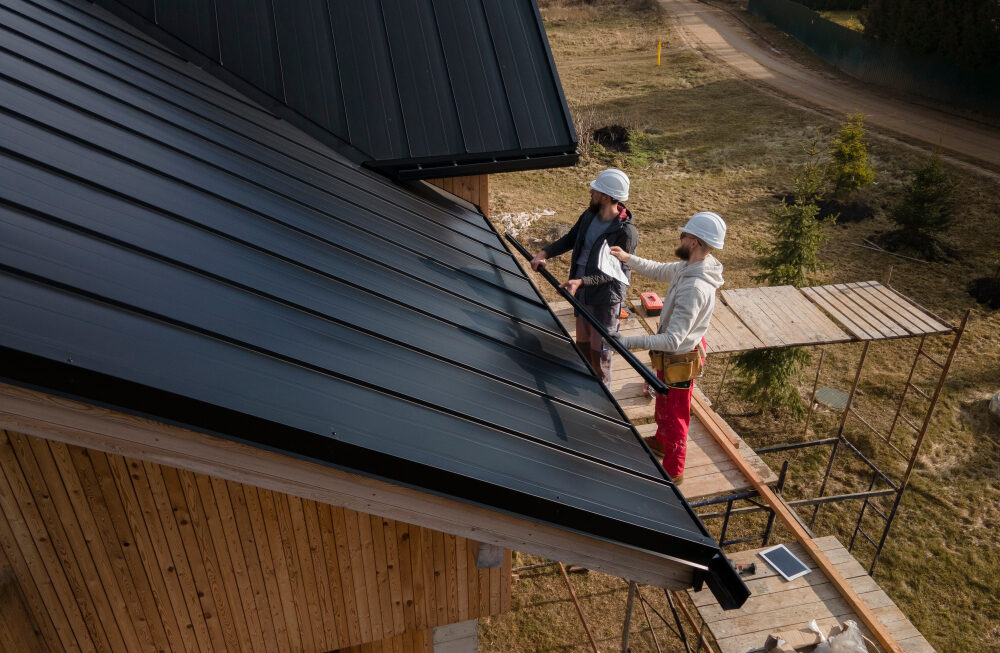
Every home needs a strong roof. A roof protects the structure, keeps moisture out, and supports comfortable indoor temperatures. Homeowners who plan a new roof installation often want clear guidance to make safe, informed choices. This process works best when people understand how roofing systems operate and what skilled teams do to install them.
Why Roof Installation Matters
A roof does more than sit atop a house. It works as a complete system. Each layer plays a specific role. When installed correctly, the system keeps water away from the home. It also helps control heat, improves airflow in the attic, and reduces long-term repair costs.
Poor installation creates weak spots. These weak spots allow water to collect under shingles. Moisture spreads quickly once it enters the roof deck. This can lead to rot, mold, and structural damage. Careful installation helps prevent these issues by sealing the surface, securing each layer, and guiding water off the roof.
How Roofers Prepare for a New Roofing Service
Preparation helps skilled teams deliver reliable results. The process begins long before the first shingle goes on the roof. Teams start by inspecting the structure. They look at the roof deck, flashing, vents, and gutters. They check for soft spots, loose boards, and signs of water damage.
These early steps help determine what the home needs. For example, an older roof deck may require new plywood. An attic with poor airflow may need ventilation adjustments. Crews explain these findings so homeowners know exactly what work will happen and why.
Teams also prepare the work area. They protect windows and siding and plan safe material drop points for materials. These steps help keep the project organized and secure.
Simple Signs a Home Needs Roof Installation Soon
Some homeowners do not know when it is time to replace a roof. These signs help them decide.
- Shingles that curl, buckle, or blow off during storms.
- Dark patches that stay wet for hours after rainfall.
- Pebble-like granules collecting at the base of downspouts.
- Daylight peeking through attic boards.
- Noticeable dips on the roof’s surface.
- Sudden changes in heating or cooling bills.
- Water stains appearing on ceilings or walls.
These issues show that the roof may no longer protect the home. A roofing service can inspect the structure and explain the safest next steps.
The Steps of a Strong Roof Installation
Skilled teams use a clear and steady process. These steps help ensure the roof performs well for many years.
- Remove old materials and clean the roof deck.
- Repair weak or damaged sections of the deck.
- Install underlayment to block moisture.
- Secure drip edges to guide water off the roof.
- Place shingles, panels, or other materials in straight rows.
- Seal flashing around chimneys, vents, and skylights.
- Confirm ventilation paths to support attic airflow.
- Inspect all sections once the installation is complete.
Why Homeowners Benefit From Clear Communication
Many people feel unsure about roofing work because they cannot see every detail of the project. Clear communication reduces this uncertainty. During a roofing service, trusted crews explain materials, timelines, and daily plans. They share updates and answer questions with direct information.
For example, a team may explain how underlayment keeps water from reaching the roof deck during storms. They may describe how proper ventilation prevents heat from building up in the attic. These explanations help homeowners feel confident and understand the value of each step.
How Proper Ventilation Supports a New Roof
Good ventilation keeps the attic from getting too hot or too cold. Excess heat weakens shingles over time. Excess moisture allows mold to grow. A balanced attic avoids these problems.
During a roof installation, crews check soffit vents, ridge vents, and airflow paths. They look for blockages and correct them before placing new materials. Homeowners often notice improvements in energy costs once airflow balances out. Rooms stay cooler in summer and warmer in winter because the roofing system works smoothly.
How a New Roof Supports Home Value
A well-installed roof does more than protect a home. It also supports long-term value. Buyers often look at the roof first because it shows how well the house has been cared for. A strong system signals durability and fewer future expenses.
A new roof also improves curb appeal. Straight shingle lines and clean edges create a sharp, finished look. Even simple upgrades can change how a home appears from the street.