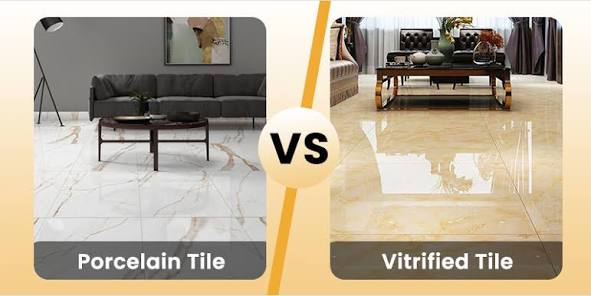
Choosing the right flooring or wall tiles is one of the most important decisions when designing or renovating a home or commercial space. Tiles don’t just enhance visual appeal—they also influence durability, maintenance, and long-term costs. Among the most popular tile options today, vitrified tiles and porcelain tiles often top the list. However, many homeowners and builders struggle to understand the real difference between the two.
In this detailed guide, we’ll explore Vitrified Tiles vs Porcelain Tiles, comparing them across composition, appearance, durability, water absorption, maintenance, pricing, and ideal usage areas—so you can confidently select the right tile for your project.
Understanding Vitrified Tiles
Vitrified tiles are manufactured by fusing clay with silica and other materials at extremely high temperatures. This vitrification process results in tiles that are dense, glossy, and highly durable.
Key Characteristics of Vitrified Tiles
-
Very low porosity
-
Smooth and polished finish
-
Uniform thickness and size
-
High resistance to stains and scratches
-
Minimal water absorption
These tiles are widely used in residential apartments, commercial buildings, malls, and offices due to their sleek appearance and long lifespan.
Understanding Porcelain Tiles
Porcelain tiles are a refined type of ceramic tile made using highly purified clay fired at higher temperatures than standard ceramic tiles. This results in a stronger and denser tile body.
Key Characteristics of Porcelain Tiles
-
Extremely dense structure
-
Matte, textured, or polished finishes
-
Excellent strength and durability
-
Very low water absorption
-
Suitable for indoor and outdoor use
Porcelain tiles are often preferred for heavy-traffic areas and spaces exposed to moisture.
Vitrified Tiles vs Porcelain Tiles: Core Differences
Let’s break down the differences between these two tile types across key parameters.
1. Composition and Manufacturing
Vitrified tiles are made by mixing clay with silica and quartz, which creates a glass-like finish when fired. Porcelain tiles, on the other hand, use finer clay and are fired at even higher temperatures, resulting in higher density.
Winner: Porcelain tiles (slightly denser and tougher)
2. Appearance and Finish
Vitrified tiles are known for their glossy, mirror-like finish and consistent patterns. They are ideal for modern interiors and elegant living spaces.
Porcelain tiles offer more variety in textures, including stone, wood, and concrete looks. Matte porcelain tiles provide a natural, earthy appearance.
Winner: Depends on design preference
-
Glossy luxury look → Vitrified tiles
-
Natural or rustic look → Porcelain tiles
3. Durability and Strength
Both tile types are extremely durable. However, porcelain tiles are slightly harder and more resistant to impact, making them suitable for heavy-duty usage.
Winner: Porcelain tiles
4. Water Absorption
Vitrified tiles absorb less than 0.5% water, making them moisture-resistant. Porcelain tiles absorb even less—often below 0.3%—which makes them ideal for wet areas.
Winner: Porcelain tiles
5. Maintenance and Cleaning
Vitrified tiles are easy to clean due to their smooth surface and stain resistance. Porcelain tiles, especially textured ones, may require slightly more effort but are still low-maintenance.
Winner: Vitrified tiles (easier daily cleaning)
6. Slip Resistance
Polished vitrified tiles can be slippery when wet, which may not be ideal for bathrooms or outdoor areas. Matte or textured porcelain tiles provide better grip.
Winner: Porcelain tiles
7. Cost Comparison
Vitrified tiles are generally more affordable and offer excellent value for money. Porcelain tiles tend to be more expensive due to their superior manufacturing process.
Winner: Vitrified tiles (budget-friendly)
Types of Vitrified Tiles
Understanding different vitrified tile types can help you make a better choice:
-
Full Body Vitrified Tiles: Uniform color throughout, highly durable
-
Double Charge Vitrified Tiles: Thick printed layer for better wear resistance
-
Glazed Vitrified Tiles (GVT): Digital designs with glossy or matte finish
-
Soluble Salt Tiles: Economical option with surface-level designs
Types of Porcelain Tiles
Porcelain tiles also come in several variants:
-
Polished Porcelain Tiles: Smooth and elegant finish
-
Matte Porcelain Tiles: Natural, slip-resistant surface
-
Outdoor Porcelain Tiles: Thick, textured tiles designed for exterior use
-
Wood-Look Porcelain Tiles: Ideal for warm interiors with durability
Best Applications: Where to Use What
Choose Vitrified Tiles For
-
Living rooms
-
Bedrooms
-
Commercial offices
-
Shopping malls
-
Areas requiring glossy aesthetics
Choose Porcelain Tiles For
-
Bathrooms and kitchens
-
Outdoor patios and balconies
-
Parking areas
-
High foot-traffic zones
-
Moisture-prone spaces
Environmental Impact
Both vitrified and porcelain tiles are eco-friendly options as they are made from natural materials and have a long lifespan. Porcelain tiles, due to higher firing temperatures, consume more energy during manufacturing but compensate through durability.
Installation Considerations
Both tile types require skilled installation. Porcelain tiles are harder and may need special cutting tools, which can slightly increase labor costs. Vitrified tiles are easier to cut and install.
Design Trends and Aesthetics
Modern interior trends favor large-format vitrified tiles for seamless flooring, while porcelain tiles dominate outdoor and rustic design themes. With advanced digital printing, both tile types now offer realistic textures and patterns.
Final Verdict: Vitrified Tiles vs Porcelain Tiles
When comparing Vitrified Tiles vs Porcelain Tiles, there is no universal “best” option. The right choice depends on your space, usage, budget, and aesthetic preference.
-
If you want glossy elegance at a reasonable cost, vitrified tiles are ideal.
-
If you need maximum strength, slip resistance, and moisture protection, porcelain tiles are the better option.
By understanding the differences, you can invest wisely and ensure your tiles remain beautiful and functional for years to come.
Conclusion
Tiles are a long-term investment, and choosing the right type can significantly impact both aesthetics and performance. The debate around vitrified tiles vs porcelain tiles ultimately comes down to where and how they will be used. Both offer excellent durability, modern designs, and low maintenance. Evaluate your needs carefully, and you’ll find the perfect tile solution for your home or commercial space.