Oil spills can happen anywhere. They can occur in factories, workshops, fuel stations, warehouses, parking areas, and even on roads. A small oil leak can turn into a serious hazard if not handled on time. This is why having an oil spill kit is not an option anymore. It is a basic safety requirement for many businesses and vehicle operators.
An oil spill kit helps control and clean oil spills quickly. It reduces risks, protects workers, and prevents damage to the environment. In this guide, you will learn what an oil spill kit is, how oil spill kits work, different types of oil spill kits, and why oil spill kits for trucks and emergency oil spill kits are so important.
What Is an Oil Spill Kit
An oil spill kit is a collection of absorbent materials designed to clean oil spills safely. These kits are made to absorb oil while repelling water. This feature makes them effective for both indoor and outdoor use.
Oil spill kits are commonly used in industries where oil, fuel, or lubricants are handled. They are also used in vehicles, marine environments, and construction sites.
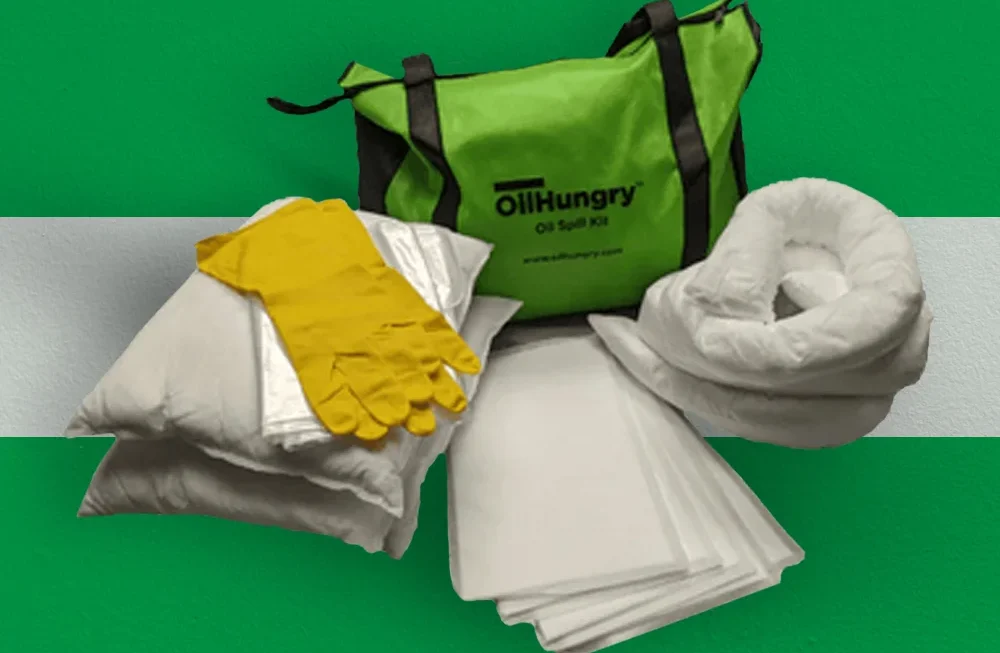
A standard oil spill kit usually includes absorbent pads, absorbent socks, absorbent pillows, disposal bags, and safety gloves. Each item plays a specific role in spill control and cleanup.
Why Oil Spill Kits Are Important
Oil spills create many problems if ignored. Slippery surfaces increase the risk of accidents. Oil can damage floors, soil, and water sources. Spills can also lead to fines if safety rules are not followed.
Oil spill kits help prevent these issues. They allow quick response to leaks and spills. Fast action reduces cleanup costs and limits environmental harm. Using oil spill kits also shows that a business takes safety seriously.
In many regions, safety authorities recommend or require oil spill kits at workplaces and inside vehicles that carry oil or fuel.
How Oil Spill Kits Work
Oil spill kits use absorbent materials that attract oil. These materials soak up oil while pushing away water. This makes cleanup easier and faster.
When a spill occurs, absorbent socks are placed around the spill to stop spreading. Absorbent pads are then used to soak up the oil. For larger leaks, absorbent pillows handle higher volumes of oil.
After cleanup, used materials are placed in disposal bags for safe disposal. This method keeps the area clean and reduces health risks.
Types of Oil Spill Kits
There are different types of oil spill kits designed for specific uses. Choosing the right kit depends on where and how oil is handled.
General Oil Spill Kits
General oil spill kits are suitable for workshops, warehouses, and industrial sites. These kits handle small to medium oil spills. They are ideal for areas where oil leaks are possible but not constant.
Emergency Oil Spill Kit
An emergency oil spill kit is designed for sudden and unexpected spills. These kits are kept ready for quick use during accidents or equipment failure.
Emergency oil spill kits often include extra absorbent materials and protective equipment. They are commonly used in factories, fuel storage areas, and chemical handling zones.
Having an emergency oil spill kit helps reduce panic during accidents. It ensures workers can act quickly and safely.
Oil Spill Kits for Trucks
Oil spill kits for trucks are specially designed for vehicles that transport oil, fuel, or heavy machinery. Trucks face a higher risk of leaks due to long travel distances and road conditions.
Oil spill kits for trucks are compact and easy to store. They fit inside toolboxes or storage compartments. These kits allow drivers to manage spills on the road without waiting for external help.
Many transport companies keep oil spill kits for trucks to meet safety rules and avoid delays during inspections.
Marine Oil Spill Kits
Marine oil spill kits are used near water bodies such as ports, docks, and boats. These kits include floating absorbents that work on water surfaces.
They are essential for preventing oil pollution in lakes, rivers, and seas.
What Comes Inside an Oil Spill Kit
Most oil spill kits contain similar items, although quantities may vary.
Absorbent pads are used to soak oil from floors and surfaces. Absorbent socks are flexible tubes that block oil from spreading. Absorbent pillows handle larger spills and leaks. Gloves protect hands during cleanup. Disposal bags help with safe waste handling.
Some kits also include safety instructions to guide users during emergencies.
How to Choose the Right Oil Spill Kit
Choosing the correct oil spill kit depends on your environment and risk level.
First, consider where the kit will be used. Indoor locations may need smaller kits. Outdoor or vehicle use may require portable kits.
Second, think about spill size. Small leaks need basic kits. Larger operations need higher capacity oil spill kits.
Third, consider mobility. Oil spill kits for trucks should be compact and lightweight. Emergency oil spill kits should be easy to access.
Lastly, check compliance needs. Some industries have strict safety rules that require specific types of oil spill kits.
Benefits of Using Oil Spill Kits
Oil spill kits provide many practical benefits.
They improve workplace safety by reducing slip hazards. They help protect the environment from oil contamination. They save money by reducing cleanup time and damage. They support compliance with safety regulations.
Oil spill kits also improve response time during accidents. Quick cleanup reduces stress and confusion for workers.
Oil Spill Kits for Trucks and Road Safety
Road spills can cause serious traffic hazards. Oil leaks on highways or parking areas increase accident risks.
Oil spill kits for trucks allow drivers to handle spills immediately. This reduces danger for other drivers and avoids legal issues. These kits also help transport companies maintain a professional safety record.
Keeping an oil spill kit in every truck is a simple step that offers long term benefits.
Emergency Oil Spill Kit for Fast Response
Accidents do not come with warnings. Equipment failure, broken hoses, or container damage can cause sudden oil spills.
An emergency oil spill kit ensures fast response. It helps limit spill size and reduces cleanup complexity. Emergency kits are especially useful in high risk areas such as fuel stations and industrial plants.
Having an emergency oil spill kit available can make the difference between a minor issue and a serious incident.
Proper Storage and Maintenance of Oil Spill Kits
Oil spill kits should be stored in easy to access areas. Employees should know where kits are kept. Regular checks ensure that kits are fully stocked.
Used items should be replaced immediately. Expired or damaged absorbents should be removed. Proper maintenance keeps oil spill kits ready when needed.
Training staff on how to use oil spill kits also improves safety outcomes.
Final Thoughts
Oil spills are a common risk in many industries and vehicles. Using an oil spill kit is one of the easiest ways to manage this risk. Whether it is a workplace, a truck, or an emergency situation, oil spill kits offer reliable spill control.
Oil spill kits for trucks help drivers stay prepared on the road. Emergency oil spill kits support fast action during accidents. Investing in the right oil spill kits protects people, property, and the environment.
Being prepared today can prevent major problems tomorrow.