Industrial machines depend heavily on gear systems to transmit power efficiently and reliably. From conveyors and compressors to mixers and heavy-duty gearboxes, gears operate under constant stress, high loads, and varying speeds. Yet, gear oil selection is often overlooked until problems arise. Choosing the right gear oil is not just about lubrication—it directly impacts machine life, energy efficiency, and maintenance costs.
Understanding how gear oils work and how to select the correct type for specific operating conditions is essential for smooth and trouble-free industrial operations.
Why Gear Oil Deserves More Attention Than It Gets
Gear systems are exposed to extreme pressures, sliding contact, and sometimes high temperatures. Without proper lubrication, gears can suffer from wear, pitting, scuffing, corrosion, and even sudden failure. Gear oil forms a protective film between gear teeth, reducing metal-to-metal contact and dissipating heat generated during operation.
Many equipment failures traced back to lubrication issues are not caused by oil breakdown, but by incorrect oil selection. Using the wrong gear oil can lead to inadequate film strength, poor load-carrying ability, or excessive friction. Over time, this results in reduced efficiency, increased power consumption, and costly downtime. This is why gear oil deserves the same attention as the machinery it protects.
Types of Gear Oil
Selecting the right gear oil begins with understanding the different types available and their intended applications.
Mineral Gear Oils
Mineral-based gear oils are derived from refined crude oil and are widely used in standard industrial gearboxes. They provide reliable lubrication for moderate loads and operating temperatures and are cost-effective for general-purpose applications.
Synthetic Gear Oils
Synthetic gear oils are engineered for demanding conditions such as high loads, extreme temperatures, or long service intervals. They offer superior oxidation resistance, better thermal stability, and improved energy efficiency. Synthetic oils are commonly used in critical equipment where downtime is expensive.
EP (Extreme Pressure) Gear Oils
EP gear oils contain additives that form protective layers on gear surfaces under heavy loads. These oils are essential for gear systems experiencing shock loads, high torque, or boundary lubrication conditions.
Compounded Gear Oils
These oils include fatty additives that improve lubricity and are often used in worm gear applications. They help reduce friction between sliding surfaces and improve efficiency in specific gear designs.
How to Choose Gear Oil According to Load and Speed
Gear oil selection is heavily influenced by operating load and speed, as these factors determine the thickness of the oil film required for effective lubrication.
High Load, Low Speed Applications
Gear systems operating under heavy loads and slow speeds require higher-viscosity gear oils. Thick oil films help prevent direct contact between gear teeth and provide excellent load-carrying capacity. EP additives are particularly important in these applications to protect against scuffing and wear.
Low Load, High Speed Applications
High-speed gearboxes generate more heat and require oils with lower viscosity to reduce drag and ensure efficient circulation. Oils that are too thick can cause overheating and energy loss. In such cases, good thermal stability and oxidation resistance are critical.
Variable Load and Speed Conditions
Machines that operate under fluctuating conditions need gear oils that can adapt without losing performance. Synthetic gear oils often perform well here, as they maintain stable viscosity over a wide temperature range.
Always refer to the equipment manufacturer’s recommendations for ISO viscosity grades and performance standards to avoid compatibility issues.
Additional Factors to Consider
While load and speed are primary considerations, other factors also influence gear oil selection:
-
Operating Temperature: High temperatures require oils with strong oxidation resistance.
-
Environment: Dusty, humid, or corrosive environments demand oils with rust and corrosion inhibitors.
-
Gear Type: Spur, helical, bevel, and worm gears all have different lubrication needs.
-
Maintenance Interval: Longer drain intervals may justify the use of premium or synthetic gear oils.
Ignoring these factors can reduce oil life and compromise gear protection.
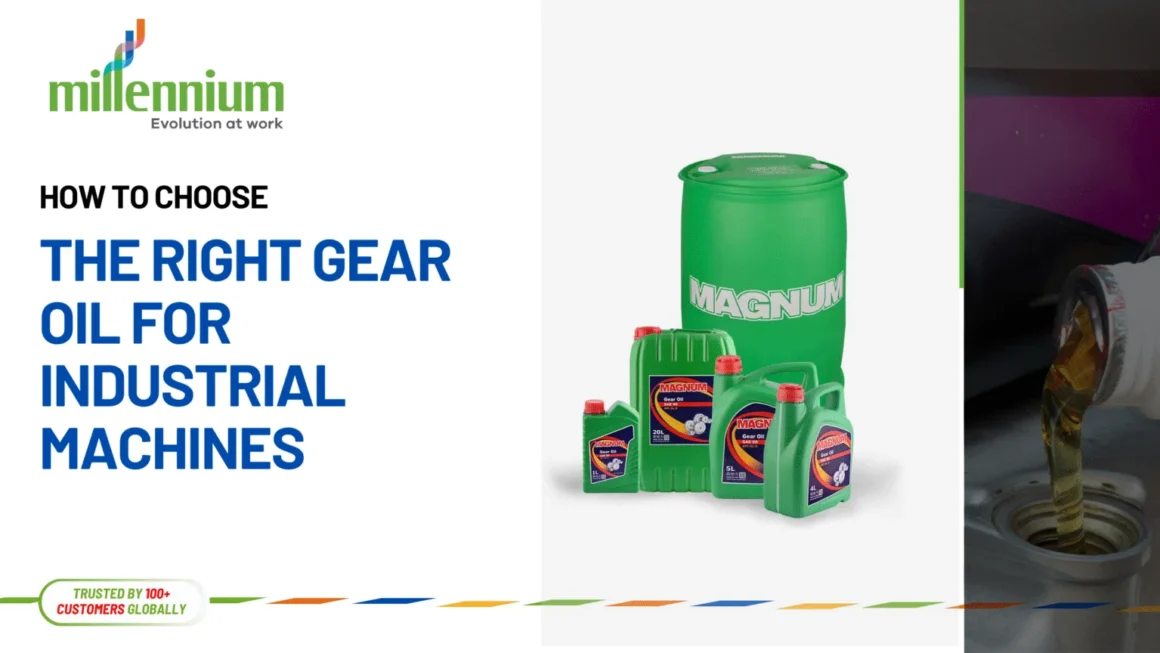
MAGNUM Gear Oils: Perfect Fit for Industrial Machines
MAGNUM Gear Oils are developed to meet the diverse demands of modern industrial machinery. Formulated with high-quality base oils and advanced additive technology, they provide excellent load-carrying capacity, wear protection, and thermal stability.
MAGNUM offers a wide range of gear oil grades suitable for light-duty applications as well as heavy industrial gearboxes operating under severe conditions. Their consistent viscosity performance helps maintain smooth gear operation, reduce noise, and extend equipment life. For industries seeking reliability and long-term value, MAGNUM Gear Oils deliver dependable performance across varied operating environments.
Best Practices for Gear Oil Use
Even the right gear oil must be used correctly to deliver maximum benefits:
-
Monitor oil levels regularly and maintain proper lubrication.
-
Follow recommended oil change intervals.
-
Avoid mixing different oil types or brands unless approved.
-
Conduct periodic oil analysis to detect wear or contamination early.
These practices help ensure that gear oils perform as intended throughout their service life.
Final Thoughts
Choosing the right gear oil for industrial machines is a critical decision that affects productivity, reliability, and operating costs. By understanding gear oil types, matching viscosity to load and speed, and selecting high-quality products like MAGNUM Gear Oils, industries can significantly improve equipment performance and longevity.
Gear oil may not be the most visible component in an industrial system, but its role is fundamental. Proper selection today prevents failures tomorrow—making gear oil a smart investment in operational efficiency and machine health.