Electricity plays a very important role in our daily life. From lighting our homes to running machines in industries, electrical power is everywhere. But along with comfort, electricity also brings risk if not handled properly. One of the most important parts of any electrical system is earthing. Earthing helps protect people, appliances, and buildings from electric shocks and fire hazards.
Among different earthing materials available, the GI Earthng Pipe is widely used because of its strength, durability, and reliability. It is commonly used in homes, commercial buildings, factories, and outdoor electrical installations. In this blog, we will explain in very simple words why earthing is important, what a GI earthing pipe is, how it works, its benefits, installation process, and why it is essential for electrical safety.
Understanding Electrical Earthing in Simple Terms
Electrical earthing means connecting the electrical system to the ground. This connection allows extra or fault current to flow safely into the earth instead of passing through people or equipment.
When earthing is done properly:
-
It prevents electric shock
-
It protects appliances from damage
-
It reduces the risk of fire
-
It ensures stable voltage levels
Without proper earthing, even a small fault can cause serious accidents.
What Is a GI Earthing Pipe?
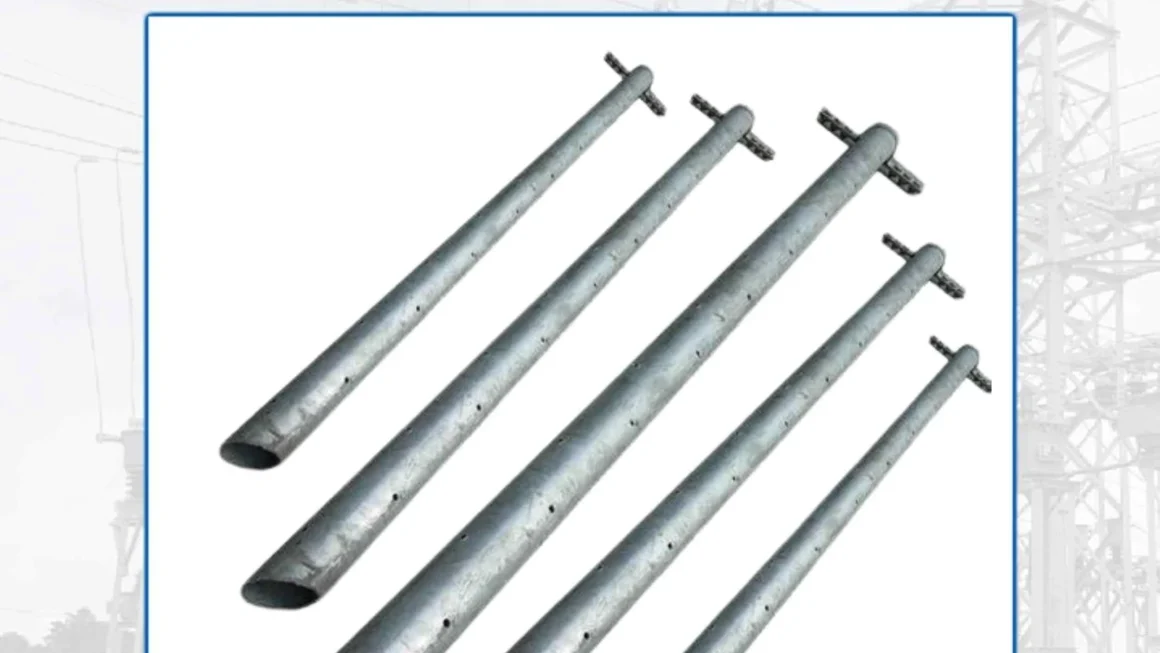
A GI Earthng Pipe is a galvanized iron pipe used for earthing purposes. It is placed vertically in the ground and connected to the electrical system with earthing wire or strip. The pipe helps transfer excess electrical current safely into the soil.
The pipe is coated with zinc, which protects it from rust and corrosion. This makes it long-lasting and suitable for different soil conditions.
GI earthing pipes are widely used in:
-
Residential buildings
-
Commercial complexes
-
Factories and warehouses
-
Solar power systems
-
Telecom towers
-
Electrical substations
Why GI Earthing Pipe Is Widely Used
There are many reasons why GI pipes are preferred for earthing over other materials.
1. High Strength and Durability
GI pipes are made from strong iron and coated with zinc. This makes them resistant to corrosion and physical damage. They can remain underground for many years without losing performance.
2. Good Electrical Conductivity
The pipe allows fault current to pass easily into the ground. This helps in maintaining low earth resistance, which is very important for safety.
3. Long Service Life
Because of galvanization, the pipe does not rust quickly. This gives a long operational life even in moist or salty soil.
4. Easy Installation
GI earthing pipes are easy to install. They can be inserted vertically into the ground without complicated tools or processes.
5. Cost-Effective Solution
Compared to other earthing methods, GI pipes offer a good balance of cost and performance, making them suitable for both small and large projects.
Importance of GI Earthing Pipe in Electrical Safety
1. Protection Against Electric Shock
The main purpose of earthing is safety. If there is leakage current or a short circuit, the GI earthing pipe directs the current into the ground. This prevents electric shock to people.
2. Prevents Electrical Fire
Faulty wiring or power surges can cause overheating and sparks. Proper earthing helps reduce this risk by safely discharging excess current.
3. Protects Electrical Equipment
Sensitive electrical appliances can get damaged due to voltage fluctuation. Earthing helps maintain voltage balance and protects devices.
4. Improves System Stability
A good earthing system ensures stable operation of electrical systems, especially in industries and commercial setups.
5. Essential for Lightning Protection
During lightning, a huge amount of current flows through electrical lines. GI earthing pipes provide a safe path to discharge this current into the ground.
Where GI Earthing Pipes Are Commonly Used
GI earthing pipes are used in many areas, such as:
-
Homes and residential apartments
-
Commercial buildings and offices
-
Industrial plants and factories
-
Hospitals and schools
-
Solar power systems
-
Telecom towers
-
Electrical substations
-
Water pumping stations
Wherever electrical safety is required, GI earthing plays an important role.
Standard Size of GI Earthing Pipe
The size of the GI earthing pipe may vary depending on the application. Common sizes include:
-
Diameter: 38 mm to 75 mm
-
Length: 2.5 meters to 3 meters or more
-
Thickness: Depends on standard and requirement
The selection depends on soil condition, electrical load, and safety standards.
Step-by-Step GI Earthing Pipe Installation Process
Here is a simple explanation of how GI earthing pipe installation is done:
Step 1: Digging the Pit
A pit of around 2.5 to 3 meters deep is dug in the ground.
Step 2: Placing the GI Pipe
The GI earthing pipe is placed vertically inside the pit.
Step 3: Filling with Earthing Material
The pit is filled with layers of charcoal, salt, and soil. These materials help reduce earth resistance.
Step 4: Connecting the Earth Wire
A copper or GI wire is connected to the pipe using a clamp.
Step 5: Watering Arrangement
A small pipe or funnel is added to pour water regularly. Moist soil improves earthing efficiency.
Step 6: Covering the Pit
The pit is closed with a concrete or GI cover for safety.
Maintenance of GI Earthing Pipe
Even though GI earthing pipes are durable, regular maintenance is important for long-term performance.
-
Check earth resistance once a year
-
Pour water in dry seasons
-
Inspect for loose connections
-
Replace damaged wires if needed
-
Ensure no corrosion at joints
Proper maintenance ensures continuous electrical safety.
GI Earthing Pipe vs Other Earthing Methods
GI Pipe vs Copper Plate Earthing
-
GI pipe is more economical
-
Copper plate is more expensive
-
GI pipe is easier to install
-
Copper has higher conductivity but higher cost
GI Pipe vs Chemical Earthing
-
GI pipe is simple and traditional
-
Chemical earthing gives lower resistance
-
GI pipe requires more maintenance
-
Chemical earthing costs more initially
For most homes and small industries, GI earthing pipe is a practical and reliable option.
Factors to Consider While Choosing GI Earthing Pipe
Before selecting a GI earthing pipe, consider the following:
-
Soil type (dry, rocky, moist)
-
Electrical load
-
Local safety standards
-
Pipe thickness and coating quality
-
Installation depth
-
Budget and maintenance needs
Choosing the right earthing solution improves safety and system life.
Importance of Proper Earthing in Modern Electrical Systems
With the increasing use of electrical appliances, solar panels, and automation systems, proper earthing has become more important than ever.
A good earthing system:
-
Reduces equipment failure
-
Enhances human safety
-
Improves power quality
-
Prevents costly damage
-
Supports renewable energy systems
The GI earthing pipe remains one of the most trusted methods for achieving safe earthing.
Common Mistakes to Avoid
Many people make mistakes during earthing installation. Avoid the following:
-
Using low-quality GI pipes
-
Not maintaining moisture in soil
-
Improper connection of earthing wire
-
Shallow installation
-
Ignoring regular inspection
These mistakes can reduce earthing efficiency and increase risk.
Why GI Earthing Pipe Is Still Relevant Today
Even with modern earthing techniques available, GI earthing pipes continue to be widely used because they are:
-
Reliable
-
Affordable
-
Easy to install
-
Suitable for most soil types
-
Proven over many years
For residential and commercial electrical safety, they remain a dependable choice.
Conclusion
Electrical safety should never be ignored, whether it is a small home or a large industrial setup. Proper earthing plays a vital role in protecting people, equipment, and property. The best GI Earthng Pipe is one of the most commonly used and trusted solutions for effective earthing. Its durability, strength, affordability, and easy installation make it suitable for various applications.
By choosing the right earthing method and maintaining it properly, you can ensure long-term electrical safety and peace of mind. For reliable quality and dependable earthing solutions, Prabha Power provides trusted GI earthing products that meet safety standards and performance needs.