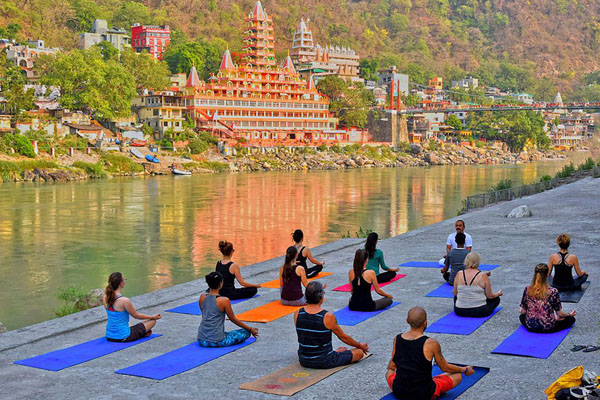
Rishikesh — the “Yoga Capital of the World” — is a place where the sacred Ganga flows through the foothills of the Himalayas, temples echo with mantras, and seekers from across the globe come to deepen their spiritual and yogic journey. For those looking to elevate their practice, deepen their knowledge, and expand their teaching abilities, a 300 Hour Yoga Teacher Training in Rishikesh India, offers a transformational path. This program goes beyond the fundamentals of yoga to cultivate mastery, confidence, and a holistic understanding of the ancient yogic sciences.
In this article, we’ll explore what to expect from a 300 Hour Yoga Teacher Training course in Rishikesh, covering the curriculum, daily life, personal transformation, and long-term benefits.
-
Why Choose a 300 Hour Training?
A 300 Hour yoga certification is designed for serious practitioners and teachers who want to go beyond the basics learned in a 200-hour program. While 200-hour training lays the foundation of yoga philosophy, asanas, anatomy, and teaching principles, the 300 Hour course builds on these fundamentals, taking them to a more advanced level.
This certification is ideal for:
200-hour certified teachers who wish to deepen their knowledge
Practitioners who want to refine their personal practice
Aspiring yoga professionals seeking credibility and expertise
Teachers aiming to specialize in areas like alignment, therapeutic yoga, or advanced sequencing
The training typically follows standards set by Yoga Alliance, ensuring international recognition and the opportunity to register as a 500-hour RYT (Registered Yoga Teacher) once complete.
-
Immersive Curricular Focus
One of the defining features of a 300 Hour course in Rishikesh is its comprehensive and immersive curriculum. While exact modules may vary between schools, most programs emphasize:
Advanced Asana Practice
Expect deeper exploration of postures including inversions, arm balances, and backbends. Teachers guide students to:
Understand alignment principles
Refine adjustments safely
Learn progressions, regressions, and modifications for all body types
The goal is not just performing advanced poses but teaching them with confidence and intelligence.
In-Depth Anatomy & Physiology
Beyond basic anatomy, the training covers:
Musculoskeletal system in action
Biomechanics of movement
Breath mechanics and its impact on the nervous system
This knowledge empowers teachers to prevent injuries and create safe, effective classes.
Yoga Philosophy & Ethics
Expect deep study of foundational texts like:
The Yoga Sutras of Patanjali
The Bhagavad Gita
Hatha Yoga Pradipika
Discussion groups and reflective assignments help integrate philosophy into personal life and teaching methodology.
Teaching Methodology & Sequencing
A central part of the training is learning how to:
Plan classes with intention and purpose
Build themes and sequences that flow logically
Offer clear cues and verbal adjustments
Trainees also learn classroom management skills, ethical conduct, and how to work with diverse populations.
Pranayama & Meditation
Breathwork becomes more refined. Students explore:
Advanced pranayama techniques
Meditation practices for mental clarity and emotional balance
Use of breath to modulate energy and focus
These practices support not just physical training but emotional and spiritual grounding.
Special Topics
Depending on the program, expect electives such as:
Yoga therapy basics
Ayurveda principles
Mindfulness and stress management
Business of yoga
These help teachers expand expertise and tailor their offerings in the yoga world.
-
Daily Schedule and Routine
Life during a 300 Hour training in Rishikesh is structured yet transformative. Expect a daily rhythm that often includes:
Morning Practices
The day usually begins early with:
Sunrise Sadhana or Meditation
Pranayama and Chanting
Asana practice
These mornings set a tone of discipline, presence, and intention.
Study and Workshops
Mid-morning to afternoon sessions include lectures, interactive workshops, and group discussions. Here, theory meets practice as students:
Analyze case studies
Share insights
Practice teaching
Afternoon Rest & Personal Study
In many programs, there’s time reserved for:
Self-study
Journaling
Reflection
Rest by the river or meditation spaces
This downtime is essential to integrate teachings and process the learning experience.
Evening Practices
Evenings may include:
Yin or restorative yoga
Meditation and mantra chanting
Philosophy discussions around fire ceremonies or satsang gatherings
The environment in Rishikesh encourages turning inward, creating space for reflection and transformation.
-
Cultural and Spiritual Immersion
One of the greatest gifts of training in Rishikesh is cultural immersion. Unlike a studio setting in the West, here you experience authentic yoga within a sacred context:
Morning Ganga Aarti at the riverbanks — a spiritual ritual at sunset
Walks through ashrams, temples, and market streets
Interaction with local yogis and practitioners
Opportunities for silent meditation retreats and nature treks
This exposure enhances not just technical skills but spiritual awareness and cultural appreciation.
-
Personal Transformation
A 300 Hour training is not merely an educational course — it’s a life-changing journey.
Deeper Self-Awareness
With daily practices and introspection, students uncover:
Emotional patterns
Mental barriers
Strengths and vulnerabilities
This self-awareness enriches how one shows up in life and in the yoga classroom.
Confidence in Teaching
After teaching many classes, receiving feedback, and refining skills, trainees leave with confidence and clarity. They not only understand yoga intellectually but embody it through experience.
Resilience and Discipline
Following a structured routine — including early mornings and rigorous practices — instills discipline that carries over into personal and professional life.
-
Benefits Beyond Certification
Completing a 300 Hour training offers numerous benefits:
Enhanced credibility as an experienced yoga professional
Ability to register as a 500-hour RYT with Yoga Alliance
Broader career opportunities such as workshops, retreats, and therapeutic classes
Stronger connection to yoga lineage and authentic teachings
Lifelong community of peers and teachers
Many graduates find themselves embarking on new paths — writing, healing, mentoring, or opening studios and retreats.
Conclusion
A 300 Hour Yoga Teacher Training in Rishikesh is more than a course — it’s a profound transformational experience that shapes your body, mind, and spirit. With advanced knowledge, personal growth, and professional grounding, trainees step confidently into the next phase of their yogic journey. Whether your goal is to deepen your practice, refine your teaching skills, or immerse yourself in authentic yoga culture, this training offers a meaningful and life-enhancing path.