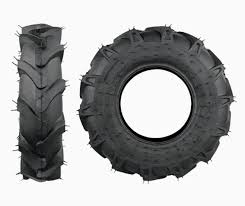
Farming is tough work—and your machinery works just as hard as you do. From tractors and harvesters to trailers and sprayers, every piece of equipment relies on one crucial component: Farming Tyres.
Choosing the right farming tyres is not just about size or price. It affects soil health, fuel efficiency, productivity, and long-term costs. In this complete guide, we’ll walk you through types of farming tyres, their uses, benefits, common questions, and expert tips to help you make the right decision.
Whether you manage a small farm or large agricultural operations, this guide is for you.
What Are Farming Tyres?
Farming tyres are specially designed tyres used on agricultural machinery such as tractors, combine harvesters, ploughs, trailers, and irrigation equipment.
Unlike regular vehicle tyres, farming tyres are built to:
-
Handle uneven terrain
-
Carry heavy loads
-
Reduce soil compaction
-
Provide maximum traction in mud, sand, and fields
They are engineered to perform efficiently across different farming activities and seasons.
Why Choosing the Right Farming Tyres Matters
The wrong tyre can damage your crops and soil, waste fuel, and reduce machine performance.
Key reasons to invest in quality farming tyres:
-
Improved traction and grip
-
Better fuel efficiency
-
Reduced soil compaction
-
Longer tyre life
-
Increased productivity
In short, the right tyres save time, money, and effort.
Types of Farming Tyres and Their Uses
Understanding tyre types helps you select the best option for your farm machinery.
R-1 Farming Tyres (Standard Agricultural Tyres)
Best for: General farming and fieldwork
R-1 tyres are the most common farming tyres. They feature deep, aggressive tread patterns designed for:
-
Wet soil
-
Muddy fields
-
Ploughing and tillage
Benefits:
-
Excellent traction
-
Ideal for soft soil
-
Widely available
Tip: Use R-1 tyres if you mostly work in fields with loose or moist soil.
R-1W Farming Tyres (Wet Soil Tyres)
Best for: Extremely wet or muddy conditions
R-1W tyres are similar to R-1 but have deeper treads for better grip.
Benefits:
-
Superior traction in wet fields
-
Less slippage
-
Better performance in rainy seasons
These farming tyres are popular in regions with frequent rainfall.
R-2 Farming Tyres (Rice & Mud Tyres)
Best for: Rice fields and swampy land
R-2 tyres have extra-deep lugs, making them ideal for flooded fields.
Benefits:
-
Maximum grip in water-logged soil
-
Prevent machinery from getting stuck
They’re not commonly used on dry land but are essential for rice farming.
R-3 Farming Tyres (Turf Tyres)
Best for: Grass fields and landscaping
R-3 tyres have shallow treads and are designed to protect the surface.
Benefits:
-
Minimal soil damage
-
Smooth operation
-
Ideal for lawns and sports fields
Not recommended for heavy agricultural work.
Radial vs Bias Farming Tyres
Radial Farming Tyres
-
Flexible sidewalls
-
Better traction
-
Lower fuel consumption
-
Reduced soil compaction
Bias Farming Tyres
-
Stronger sidewalls
-
Lower upfront cost
-
Suitable for rough terrain
Expert Tip: Radial farming tyres cost more initially but save money long-term.
Benefits of High-Quality Farming Tyres
1. Reduced Soil Compaction
Soil compaction affects crop growth. Quality farming tyres distribute weight evenly, protecting soil structure.
2. Better Fuel Efficiency
Less slippage means less fuel consumption—saving you money every season.
3. Improved Traction and Control
Better grip allows smooth operation in wet, dry, or uneven fields.
4. Longer Tyre Life
Premium farming tyres resist wear and tear, even under heavy loads.
5. Higher Productivity
When machinery works efficiently, farming operations become faster and more reliable.
How to Choose the Right Farming Tyres
Here are some practical factors to consider:
✔ Type of Machinery
Tractors, trailers, harvesters, and sprayers require different tyre specifications.
✔ Soil Conditions
Wet, dry, sandy, or clay soil all demand different tread patterns.
✔ Load Capacity
Choose tyres that can handle the maximum load safely.
✔ Field vs Road Use
If your machinery travels on roads frequently, consider multi-purpose tyres.
✔ Budget and Long-Term Value
Cheap tyres may cost more in replacements and repairs.
Common Problems Caused by Poor Farming Tyres
Using low-quality or incorrect farming tyres can lead to:
-
Soil damage
-
Poor traction
-
Increased fuel usage
-
Frequent tyre replacement
-
Downtime during critical farming seasons
Investing in the right tyres prevents these issues.
Trending Questions About Farming Tyres
Are radial farming tyres better than bias tyres?
Yes, radial farming tyres offer better traction, reduced soil compaction, and improved fuel efficiency.
How often should farming tyres be replaced?
It depends on usage, load, and maintenance. Regular inspection is recommended every season.
Can farming tyres be repaired?
Minor punctures can be repaired, but worn tread or sidewall damage usually requires replacement.
Do farming tyres affect crop yield?
Absolutely. Reduced soil compaction improves root growth and water absorption, leading to healthier crops.
Maintenance Tips to Extend Farming Tyre Life
-
Check tyre pressure regularly
-
Avoid overloading machinery
-
Store tyres away from direct sunlight
-
Rotate tyres if applicable
-
Inspect for cuts or cracks
Simple care can add years to your farming tyres.
Why Professional Advice Matters
Every farm is different. Soil type, weather conditions, machinery, and workload all influence tyre selection. Consulting professionals ensures you get the right farming tyres for your exact needs.
Trusted Supplier Recommendation
For reliable, durable, and high-performance Farming Tyres, it’s strongly recommended to contact Tyre Express Uganda Ltd.
They offer:
-
A wide range of agricultural tyres
-
Expert guidance for tyre selection
-
Quality products for all farming conditions
-
Trusted service across Uganda
Getting advice from experienced suppliers helps you avoid costly mistakes.
Frequently Asked Questions (FAQ)
What is the best tyre pressure for farming tyres?
It varies by tyre type and load. Always follow manufacturer guidelines.
Are wider farming tyres better?
Wider tyres reduce soil compaction and improve traction, especially in soft soil.
Can I use the same farming tyres year-round?
Yes, but seasonal changes may require pressure adjustments or different tread types.
Where can I buy quality farming tyres in Uganda?
Tyre Express Uganda Ltd is a trusted option for high-quality agricultural tyres.
Final Thoughts
Choosing the right Farming Tyres is one of the smartest investments a farmer can make. The right tyres protect your soil, improve machine efficiency, and boost productivity season after season.
If you want expert advice and dependable products, contact Tyre Express Uganda Ltd and ensure your farming machinery is equipped to perform at its best.