Falling on a stairway is one of the biggest causes of preventable injury in your home. The consequences of falling on a staircase can range from very minor bruising to severe or even life-threatening injuries, such as broken bones, hospitalizations, and death. Stairs can be a danger in particular to families with young children, active pets, or busy lifestyles. For elderly individuals, who may experience decreased balance, vision, and bone density, falling on stairs can completely alter their quality of life and result in the loss of independence.
Installing Anti Slip Stair Treads is one of the easiest, most affordable, and best ways to greatly improve stairway safety. Anti-slip stair treads provide users with essential traction, which prevents slips due to the following: smooth-soled shoes, spilled liquids, and/or wearing out of an existing floor.
Different Anti-Slip Stair Tread Options
The type of anti-slip stair tread that best fits your needs will depend on your stairs’ material, appearance, and any specific requirements you may have for safety. Anti-slip stair treads can typically be classified into three different categories.
Treads and Strips with Adhesive Backing
This is the most common anti-slip stair tread option and is the easiest to install by your own efforts.
- Rubber Treads: They are long-lasting and waterproof, with good shock absorption abilities. Many rubber treads come with raised nubs or grooves to ensure the maximum grip. They are very good to use in high-traffic areas and for outdoor use. Rubber treads can be purchased as solid or, in many cases, in perforated form so that it is easier for debris to be removed from the stairs.
- Grit strips or abrasive tape: They typically consist of narrow strips of sandpaper-like material. Unlike the other types of anti-slip stair treads, they can be applied close to the step (nose). They are effective for preventing slipping; however, they may wear down faster than full treads and will require periodic replacement.
- Carpet Treads: Carved out of low-pile carpet, carpet treads come with a strong adhesive backing. Carpet treads add a softer feel to the foot while reducing noise. When making your selection, look for Stair Treads that also have a non-slip rubber backing for added safety and hold securely against the stairs.
Comprehensive Runner Systems
A stair runner made from a material that offers maximum traction will provide complete coverage of the stair tread surfaces, wall to wall, creating an overall cohesive appearance within your home. Due to their size, these are typically a larger project. However, the control over aesthetics is far superior.
- Indoor/Outdoor Low-Pile Carpet: The most suitable type of carpet for use on the stairs; designed specifically for slip-resistance and ease of maintenance.
- Runner Carpets Made from Vinyl or Rubber with Rib Strips: The easiest type of carpet runner to wipe clean. Best used for stairways leading into the home (entryway stairs).
Non-Slip Paints/Coatings
For concrete, wood, and metal stairs, there are specially formulated paints available, containing abrasive materials such as silica sand or aluminum oxide. These paints can be applied to create a permanent textured surface for an anti-slip solution. This generally is an economical option for garage steps, basement steps, and concrete steps on the outside of the house; however, the reapplication will typically be needed every couple of years.
Modular Interlocking Treads
These are typically manufactured from heavy-duty rubber or PVC and interlock together to provide a custom surface on the stairs. They are perfect for use when you are trying to cover up an old, uneven, or damaged step, as they can easily be removed or relocated if necessary.
Key Benefits of Anti-Slip Treads Beyond Preventing Slips and Falls
The main purpose of safety treads is obvious; however, there are many other advantages associated with using safety treads:
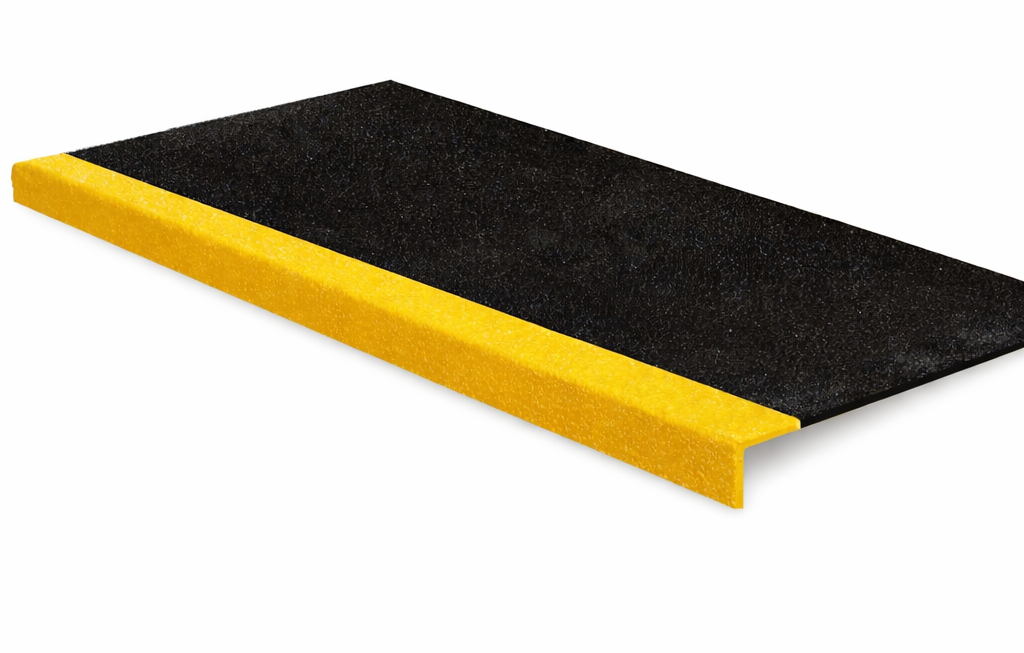
Increased Visibility: Safety treads made of materials that contrast with the rest of the treads (like carpet, rubber, etc.) provide an easy way for users to identify where the end/nose of each tread begins. This is especially beneficial for people with decreased depth perception or those who may not be working in ideal lighting conditions.
Staircase Protection: By protecting the actual stairs from scratches, dents, and other types of damage, safety treads help maintain the condition of your home and ultimately, your home’s value. Read This
Reduced Noise: The fabric or rubber of safety treads reduces the sound of footsteps hitting stairs, which makes a quieter home environment for both you and your neighbors.
Quick Installation and Cost Savings: Most safety treads can be easily applied to your staircase within a few hours without any special equipment. Installing these treads is also relatively inexpensive compared to replacing or repairing worn-out carpet and/or stair treads.