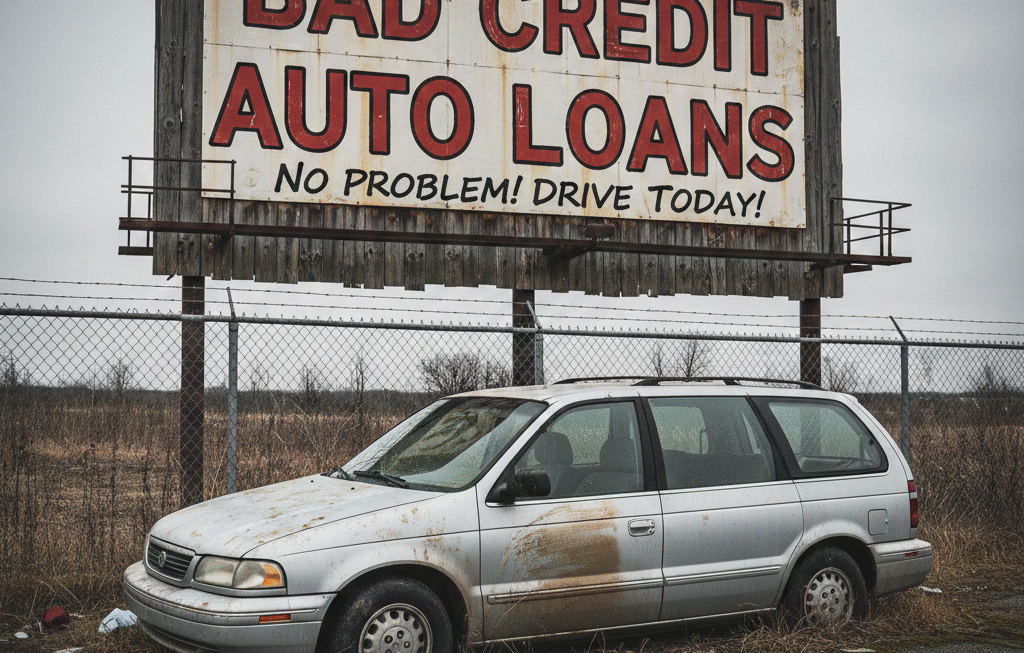
Bad credit auto loan is designed to help individuals with low credit scores or no credit history secure financing for a vehicle. While bad credit may limit access to traditional loan options, many lenders and dealerships specialize in providing loans tailored to these borrowers. It is possible to get a car loan with bad credit by comparing offers, maintaining a steady income, and making a reasonable down payment.
These loans often come with higher interest rates and stricter terms, but they provide an opportunity to improve credit over time through consistent payments. Borrowers should carefully review loan options, check their credit reports for errors, and consider multiple lenders to find the best rates and terms available. Understanding the process can help reduce stress and increase chances of approval.
Understanding Bad Credit Auto Loans
Bad credit auto loans designed to help individuals with lower credit scores obtain vehicle financing. Lenders adjust loan terms based on credit history, income, and other factors to manage their risk. Borrowers should know what constitutes bad credit, how it affects loan approval, and which lenders may be options.
What Qualifies as Bad Credit
Bad credit typically means a credit score below 600, though some lenders consider scores under 650 as borderline. This score range often results from late payments, defaults, high debt levels, or recent bankruptcies.
Credit reports reflect these negative factors, signaling higher risk to lenders. A poor credit history can remain on the report for up to seven years, influencing borrowing ability throughout that time.
Borrowers with bad credit scores face limited borrowing options and higher interest rates. It is crucial for them to evaluate their credit report and understand the specific reasons their score is low before applying.
How Bad Credit Impacts Auto Loan Approval
A low credit score generally leads to stricter loan terms, including higher interest rates and larger down payment requirements. Lenders compensate for increased risk by charging more, which raises monthly payments and total loan cost.
Approval odds depend on factors beyond credit, such as income stability and existing debt obligations. Lenders may require proof of steady employment or income to offset credit concerns.
Bad credit often results in shorter loan terms or lower loan limits. Borrowers might also face higher fees and fewer options for refinancing in the future.
| Impact Factor | Effect on Loan Terms |
| Credit Score <600 | Higher interest rates, stricter approval |
| High Debt-to-Income | Lower loan amounts, possible denial |
| Recent Bankruptcy | Long waiting period before approval |
Types of Lenders for Bad Credit Borrowers
Borrowers with bad credit have several lender options, each with pros and cons.
- Traditional Banks generally offer the best rates but often require good credit, making them less accessible for bad credit borrowers.
- Credit Unions may offer more flexible terms and potentially lower rates but often require membership.
- Buy Here Pay Here (BHPH) Dealers provide in-house financing without credit checks. These loans tend to have very high interest rates and are riskier for borrowers.
- Online Lenders and Marketplaces connect borrowers with multiple lenders, supplying options tailored to bad credit applicants, sometimes paired with credit education.
Each lender type approaches risk and approval differently, so borrowers should shop carefully for terms that fit their financial situation.
Steps to Secure a Bad Credit Auto Loan
Securing a car loan with bad credit involves improving credit standing, choosing suitable vehicles and loan conditions, and organizing necessary paperwork. Each step helps increase approval chances and ensures manageable payments.
Improving Your Credit Before Applying
Improving credit before applying can lower interest rates and expand lender options. Key strategies include paying down existing debts, especially revolving credit, to reduce credit utilization. Consistently making on-time payments for at least a few months also positively impacts credit scores.
Reviewing credit reports for errors is crucial. Disputing inaccuracies can instantly boost credit scores. Avoid opening multiple new credit accounts shortly before applying, as this can lower the score.
If time permits, building a positive credit history by using secured credit cards or becoming an authorized user on a trusted account helps. Any small improvements can enhance loan terms and approval odds.
Finding the Right Car and Loan Terms
Choosing a vehicle within a realistic budget prevents financial strain. It’s advisable to select used or certified pre-owned cars with reasonable mileage to reduce loan amounts.
Loan terms should balance monthly payments with total cost. Shorter loan terms save on interest but increase monthly payments, while longer terms lower monthly payments but may lead to higher interest overall.
Comparing multiple lenders, including credit unions and specialized bad credit auto lenders, helps find competitive rates. Dealers offering buy-here-pay-here financing might be an option but usually come with higher interest and stricter conditions.
Preparing Required Documentation
Having complete documentation ready streamlines the approval process. Essential documents often include proof of income, such as pay stubs or bank statements, and valid photo identification.
Proof of residence is typically required, like utility bills or lease agreements. Drivers must also provide a valid driver’s license. Some lenders ask for references or proof of insurance coverage.
Organizing these documents before applying prevents delays and demonstrates preparedness, increasing lender confidence. It’s advantageous to have multiple copies and digital versions available.