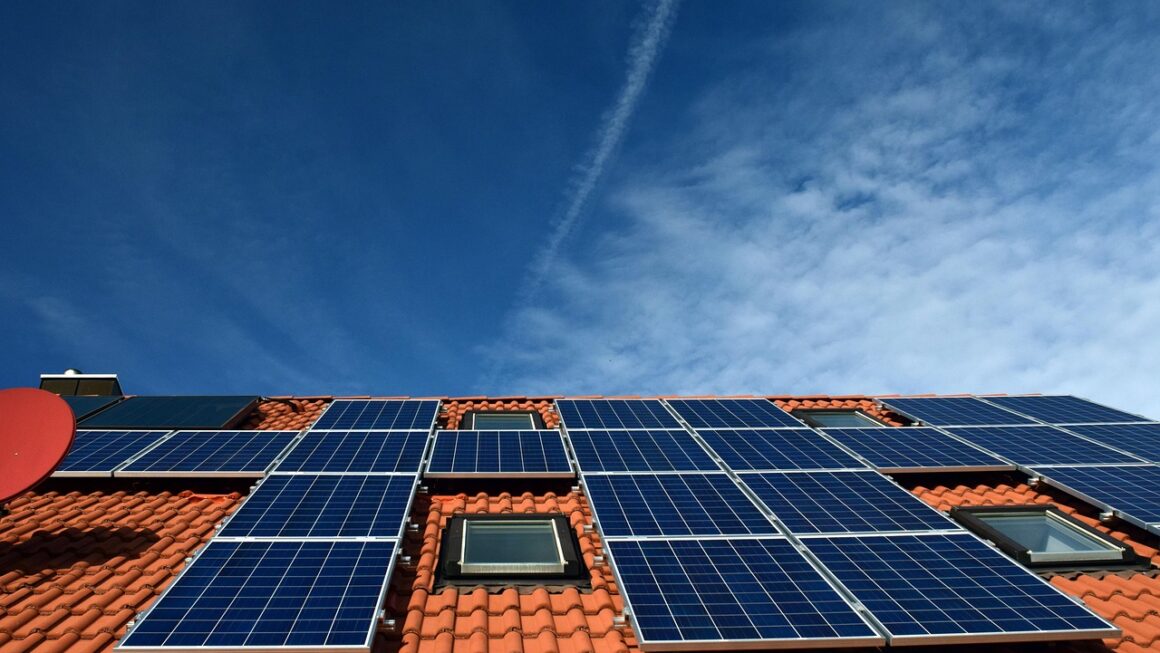
Building integrated photovoltaic panels (BIPV) are solar power systems designed to be an integral part of a building’s structure, such as roofs, façades, or windows. These panels serve a dual purpose by generating electricity while also functioning as building materials, seamlessly blending energy production with architectural design.
Unlike traditional solar panels that are simply mounted on existing structures, BIPV improves aesthetic appeal and uses space more efficiently. This integration allows buildings to contribute to renewable energy goals without compromising on design or functionality.
The growing demand for sustainable construction and clean energy drives innovation in BIPV technology, including semi-transparent and bifacial solar cells. This makes BIPV a practical and increasingly popular choice for modern buildings seeking to reduce their carbon footprint.
Overview of Building Integrated Photovoltaic Panels
Building Integrated Photovoltaic (BIPV) panels combine solar power generation with building materials, serving both energy and architectural functions. They vary in design and technology, adapting to multiple building components, and rely on specific materials to ensure durability, efficiency, and aesthetics.
Definition and Core Principles
BIPV panels are solar modules integrated directly into the structure of a building, such as roofs, facades, or windows. Unlike traditional solar panels mounted on existing surfaces, BIPV replaces or is part of conventional building materials.
The core principle is dual functionality: generating electricity while fulfilling architectural and protective roles. This integration reduces material costs and streamlines installation. BIPV systems are designed to optimize solar energy conversion without compromising the building’s appearance or structural integrity.
Types of Building Integrated Photovoltaics
BIPV systems come in several types depending on their application and solar technology:
- Roof-integrated PV: Panels replace conventional roofing materials.
- Façade PV: Used as external wall cladding or shading elements.
- Semi-transparent PV: Integrated into windows or skylights, balancing light transmission and energy production.
- Bifacial PV: Captures sunlight on both sides, increasing efficiency.
Each type adapts to specific architectural requirements while contributing to renewable energy generation.
Key Components and Materials
Key components of BIPV panels include:
- Photovoltaic cells: Usually silicon-based or thin-film types.
- Encapsulation layers: Protect cells from environmental factors.
- Glass or polymer layers: Provide transparency or rigidity, especially in window applications.
- Backsheet or structural support: Ensures mechanical strength and weather resistance.
Materials are selected for durability, weatherproofing, and visual appeal, matching building codes and performance needs. Innovative materials, such as semi-transparent cells or flexible substrates, expand application possibilities.
Integration and Applications
Building-integrated photovoltaic (BIPV) panels replace conventional building materials while generating electricity. Their installation varies depending on building type and surface, impacting efficiency and aesthetics. The applications span residential and commercial buildings with diverse design challenges, which influence optimal placement and integration.
Installation Methods
BIPV modules are installed as integral parts of building envelopes, often replacing elements like roofs, façades, or windows. Common methods include:
- In-roof systems: Panels replace traditional roofing materials, fitting flush with shingles or tiles.
- Façade integration: Modules form part of exterior walls, often using curtain wall systems or cladding.
- Window integration: Semi-transparent PV materials act as shading devices or glazing.
Installation requires coordination between installers, architects, and engineers to ensure structural integrity, weatherproofing, and electrical connectivity. Orientation and tilt must optimize sunlight exposure while respecting architectural constraints. Proper sealing and mounting techniques are essential to prevent moisture and thermal issues.
Residential and Commercial Applications
BIPV is used in both houses and commercial buildings for dual functions: power generation and building envelope. Residential applications often involve roof and window integration, balancing energy needs with aesthetics.
Commercial buildings benefit from larger surface areas, such as façades and expansive roofs, allowing higher capacity installations. BIPV is also used in shading systems and can contribute to green building certifications by reducing operational carbon footprints.
The choice of application depends on factors like building orientation, climate, and energy goals. Both sectors prioritize seamless integration to preserve design intent while lowering energy costs.
Design Considerations
Designing with BIPV requires attention to visual impact, solar access, and building code compliance. Key factors include:
- Panel orientation and tilt: Must maximize solar gain without compromising building appearance.
- Transparency and color: Semi-transparent or colored panels can maintain natural lighting and architectural style.
- Thermal and weather performance: Integration must ensure insulation and moisture control.
Designers must balance solar electricity production with structural and aesthetic requirements. Digital tools are increasingly used to simulate energy output and building integration effects. Coordination with electricians and architects is critical to meet safety and efficiency standards.