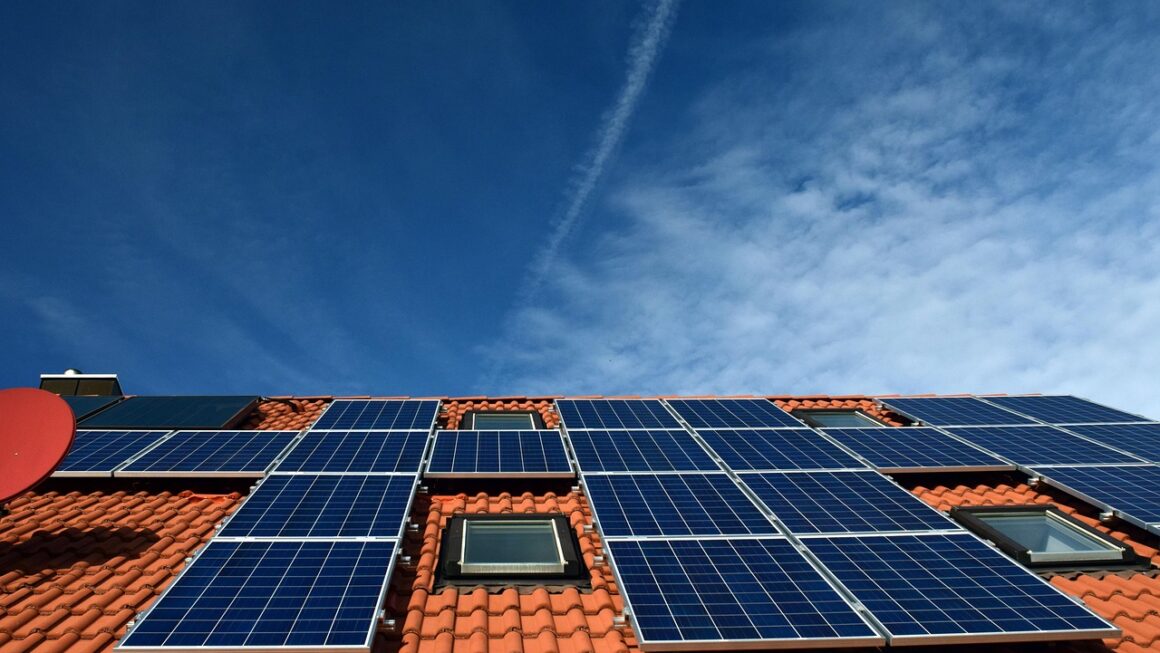
Building integrated solar panels are photovoltaic systems designed to become an integral part of a building’s structure. Unlike traditional solar panels that are mounted on rooftops or attached externally, these panels replace conventional building materials such as windows, facades, or roofs. They serve a dual purpose by both generating renewable energy and acting as functional components of the building’s envelope.
This integration allows for a seamless appearance while providing protection against environmental elements, reducing the need for separate installation processes and materials. By merging energy production directly into the architecture, building integrated solar panels can contribute to more efficient use of space and potentially lower overall project costs.
As buildings account for a significant portion of global energy consumption, incorporating solar generating elements into their design offers a practical way to offset energy use while maintaining aesthetic and structural integrity. This technology challenges traditional solar solutions by transforming how energy is produced and utilized within the built environment.
Overview of Building Integrated Solar Panels
The Building integrated solar panels combine energy generation with building materials, serving dual roles in architecture and power production. They offer solutions that replace traditional construction elements while contributing to a building’s energy efficiency.
Definition and Core Concepts
Building integrated solar panels, often called Building-Integrated Photovoltaics (BIPV), are solar technologies embedded within the structure of a building. Unlike traditional solar panels mounted externally, BIPV units are an integral part of the building envelope—found in roofs, façades, and windows.
This integration allows the panels to simultaneously act as architectural materials and electricity generators. The technology focuses on maintaining the building’s aesthetic without compromising its energy output. The core concept is to merge solar power production with structural components, reducing material costs and installation complexity.
Types of Building Integrated Photovoltaics
BIPV systems come in several forms depending on placement and function. Common types include:
- Roof-integrated systems: Solar modules replace or cover roofing materials.
- Façade-integrated systems: Panels are part of external walls or cladding.
- Window-integrated systems: Semi-transparent or thin-film PV materials incorporated into glass.
Advanced types include bifacial solar cells, which collect light from both sides, increasing efficiency. Semi-transparent solar panels allow natural light while generating power, suited for windows or skylights.
Key Components and Technologies
Key components include photovoltaic cells, encapsulation materials, and supporting structural elements. Photovoltaic cells convert sunlight into electricity and vary by type, such as monocrystalline, polycrystalline, or thin-film technologies.
Encapsulation protects cells while preserving their functionality and appearance. Materials used in BIPV must meet both structural and energy performance criteria. Electrical wiring and inverters are integrated subtly within building components to maintain the seamless design.
Innovations like bifacial cells, semi-transparent solar panels, and digital modeling tools optimize energy capture and architectural integration. These technological advances make BIPV both functional and visually appealing.
Design, Installation, and Performance
Building integrated solar panels require precise planning to blend structural and energy functions effectively. Considerations include how panels fit within the architecture, proper installation aligned with building needs, expected energy output relative to design choices, and maintenance requirements ensuring system longevity.
Architectural Integration Methods
Building integrated photovoltaics (BIPV) are designed as part of building elements like roofs, façades, or windows. They replace traditional materials while generating power, maintaining the building’s aesthetic and function simultaneously.
Architectural integration involves selecting suitable materials, orientations, and transparent or semi-transparent modules. For example, semi-transparent solar cells can be used in windows to allow light while generating electricity. Roofs often use solar shingles or tiles that match the existing style.
Orientation toward sunlight and shading are critical to optimize energy capture. The integration must adhere to structural and design codes without compromising building durability or insulation.
Installation Considerations
Installation of BIPV systems varies based on building type and component. It often requires collaboration between solar consultants, architects, and construction teams to align the system with the building envelope.
Structural integrity must be verified since solar modules add weight and may require reinforcement. Proper waterproofing and sealing are necessary to prevent leaks, especially for roof-integrated panels.
Retrofitting existing buildings demands additional planning to adjust for existing architecture, possible structural modifications, and integration with current electrical systems. Mounting type, wiring routes, and inverter placement are evaluated upfront to ensure reliability and safety.
Energy Efficiency and Output
BIPV systems convert sunlight to electricity while serving building functions, so efficiency depends on factors like orientation, shading, and module type. Bifacial solar cells can enhance output by capturing reflected light from surfaces.
Energy performance varies with weather and installation quality. Semi-transparent modules typically yield less power than opaque, solid panels but add daylighting benefits to interiors.
Smart system design aims to balance total energy production with architectural and functional goals. Energy output must align with building demand profiles to provide tangible reductions in grid dependency.
Maintenance and Lifespan
Building integrated solar panels require regular inspection to maintain optimal function. Cleaning schedules depend on module location; façade installations might accumulate dust differently than roof panels.
Maintenance includes checking for damage to glass, seals, and electrical connections to prevent efficiency loss. Modern BIPV products are designed for durability, lasting typically 25 years or more, similar to conventional solar panels.
Early detection of performance drops or defects can extend system life. Maintenance access should be planned in design stages to facilitate safe care without disrupting the building’s operations.