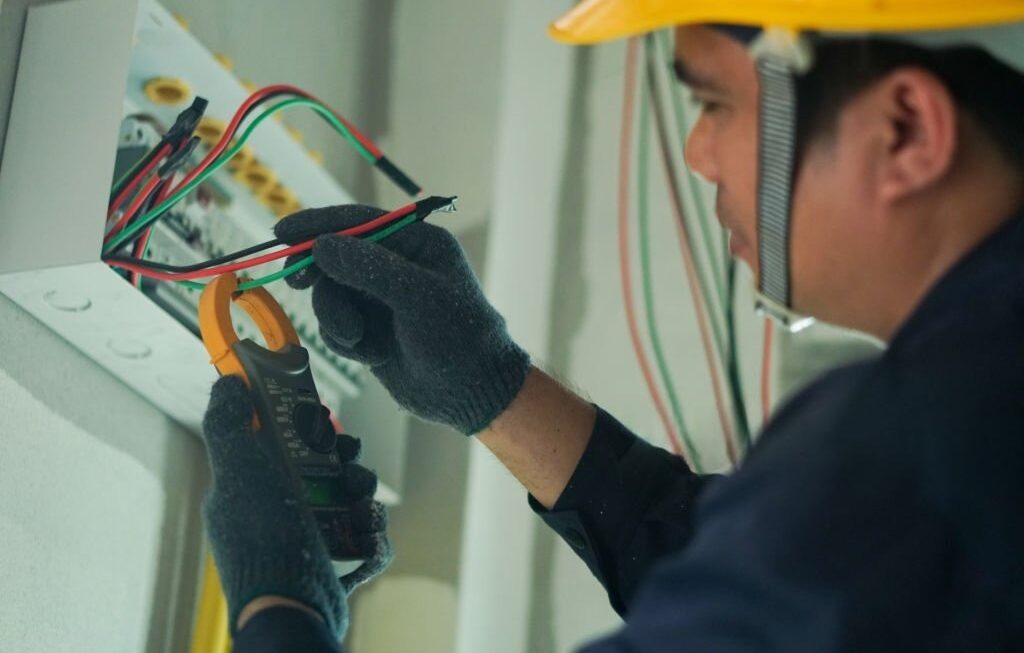
Shoreditch is one of London’s most dynamic property environments, combining converted warehouses, Victorian terraces, mixed-use developments, and modern apartments. The area’s rapid evolution has placed significant pressure on electrical systems that were never designed for today’s usage patterns.
In this context, an EICR in Shoreditch is not merely a regulatory formality—it is a detailed safety assessment that determines whether a property’s electrical infrastructure remains fit for purpose.
What an EICR Examines in Modern Urban Properties
An Electrical Installation Condition Report assesses the safety and integrity of fixed electrical installations, focusing on deterioration, overloading, and design suitability.
The Technical Scope of an EICR
A professional inspection covers:
- Consumer units, breakers, and RCD protection
- Earthing and bonding systems
- Fixed wiring concealed within walls, ceilings, and risers
- Sockets, switches, and permanently connected equipment
- Signs of overheating, mechanical damage, or moisture ingress
During an EICR in Shoreditch, inspectors frequently encounter systems that have been expanded incrementally to support commercial units, live-work spaces, or high-occupancy rentals. These layered installations often hide serious safety risks.
Why Shoreditch Properties Face Elevated Electrical Risk
High Electrical Demand and Continuous Usage
Shoreditch properties typically support:
- Home offices and creative studios
- High-density rental occupancy
- Extended operating hours
Electrical systems designed decades ago can struggle under constant load. An EICR in Shoreditch evaluates whether circuit design, protective devices, and earthing arrangements can safely sustain this demand.
Conversion and Mixed-Use Complexity
Many buildings in Shoreditch combine residential and commercial uses. Common issues include:
- Inadequate separation between circuits
- Consumer units installed in non-compliant locations
- Compromised bonding due to structural alterations
These problems often remain unnoticed until formally assessed.
Legal Responsibilities for Landlords and Property Managers
Statutory EICR Requirements in England
Landlords are legally required to ensure:
- A valid EICR is in place at least every five years
- Reports are shared with tenants and authorities when requested
- All C1 and C2 issues are remedied within the required timeframe
Non-compliance can lead to fines, licensing difficulties, and insurance complications.
Real-World Compliance Challenges
In Shoreditch, electrical compliance is frequently scrutinised during selective licensing reviews, refinancing, or commercial lease renewals. Late discovery of electrical defects can delay transactions and weaken negotiating positions. Providers such as London Property Inspections help mitigate these risks by aligning inspection outcomes with legal and documentation standards.
Understanding EICR Codes and Their Practical Impact
The Classification System Explained
EICR observations are categorised as:
- C1 – Danger Present: Immediate action required
- C2 – Potentially Dangerous: Urgent remedial work required
- C3 – Improvement Recommended: Not unsafe but below modern standards
An unsatisfactory report does not imply a full rewire is inevitable. It highlights targeted issues that must be addressed to restore safety.
Typical Findings in Shoreditch
An EICR in Shoreditch commonly identifies:
- Absence of RCD protection on lighting or socket circuits
- Inadequate bonding to gas or water services
- Outdated consumer units lacking modern fault protection
Addressing these issues improves both safety and long-term reliability.
Strategic Timing of an EICR
Between Tenancies or Use Changes
Conducting inspections during void periods or before occupancy changes minimises disruption and allows remedial work to proceed efficiently.
Before Sale, Refinance, or Licensing
Electrical safety documentation increasingly forms part of due diligence. A current EICR strengthens buyer confidence and prevents last-minute compliance disputes.
Experienced firms like London Property Inspections often integrate EICRs into wider property risk strategies, helping owners plan upgrades proactively rather than reactively.
Key Takeaways for Shoreditch Property Owners
- An EICR in Shoreditch is a vital safety and risk-management tool
- High electrical demand and mixed-use buildings increase complexity
- Understanding EICR codes enables informed budgeting and upgrades
- Early inspections reduce legal, financial, and transactional ris
- Strategic compliance protects occupants and long-term asset value
Electrical infrastructure is the unseen foundation of modern property use. In Shoreditch’s fast-paced and high-demand environment, a well-timed and professionally interpreted EICR is not just about compliance—it is about ensuring safety, continuity, and future-proof property performance.
FAQs
Is an EICR mandatory for all rental properties?
Yes. All private rental properties in England must have a valid EICR, regardless of age or size.
How long does an EICR inspection usually take?
Most inspections take two to four hours, depending on property complexity and access.
Can tenants remain during the inspection?
Yes, although access to all areas is required, brief power interruptions may occur.
Does a C3 code mean the property has failed?
No. C3 items are advisory but addressing them can reduce future compliance costs.
Is a reinspection required after remedial work?
Only the affected circuits need certification once remedial work is completed.