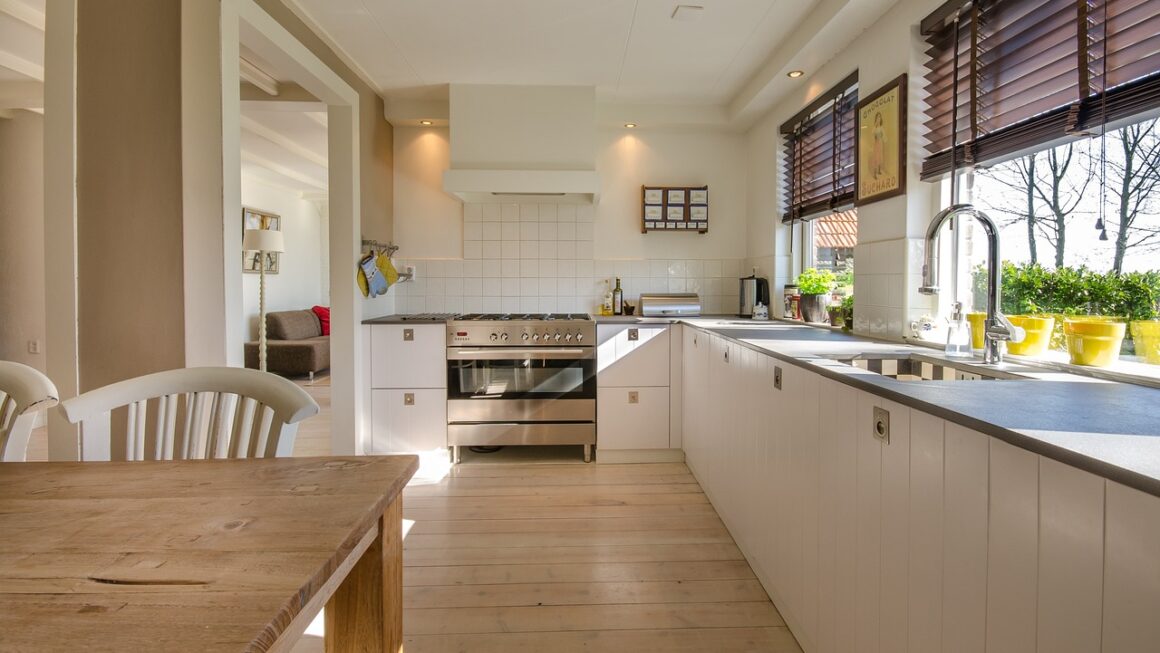
Granite countertop is a popular choice for kitchens and bathrooms due to their natural durability and timeless appearance. They offer a wide variety of colors and patterns, making it easy to find a style that complements any design aesthetic. Granite’s strength, heat resistance, and relatively low maintenance requirements make it a practical and lasting investment for homeowners.
Choosing the right type of granite involves considering factors like color, pattern, and finish, as well as the specific needs of the space. There are many varieties available, from sleek black to soft white tones, each bringing a unique character to the surface. Understanding these options helps ensure the countertop will fit both functional and visual expectations.
Beyond its beauty and resilience, granite adds value to a home by combining natural stone’s elegance with reliable performance. Its ability to withstand daily wear while maintaining a polished look makes granite a trusted material in kitchen and bathroom renovations.
Granite Countertop Fundamentals
Granite countertops are natural stone surfaces formed deep within the Earth. Their unique composition and variety enable homeowners to select options suited for durability and aesthetic preference. Understanding granite’s origin, available types, and key advantages helps in making informed decisions.
What Is Granite?
Granite is an igneous rock composed mainly of quartz, feldspar, and mica. It forms through the slow cooling and solidification of magma beneath the Earth’s surface. This process creates a dense and hard stone with visible grains and natural variations in color and pattern.
Because granite is natural, each slab is unique. Its mineral composition influences its color, ranging from white and gray to pink and black. The stone is non-porous when sealed properly, making it resistant to stains and scratches.
Types of Granite Countertops
Granite countertops come in different types based on color, finish, and texture. Common finishes include polished (shiny and smooth), honed (matte and soft), and leathered (textured and rustic). Each finish affects the surface’s look and maintenance.
Color varieties include classic whites and grays, earthy browns, as well as vibrant reds and greens. Exotic granites often display rare colors or patterns and command higher prices. Fabricators cut and shape granite slabs to fit kitchen or bathroom layouts, often sealing them for protection.
Benefits of Granite Countertops
Granite countertops offer robustness, heat resistance, and scratch resistance. They withstand common kitchen wear and maintain appearance over time if properly cared for. Granite adds resale value and aesthetic appeal due to its natural beauty.
Sealed granite is moisture-resistant, making it suitable for both kitchen and bathroom use. Its heavyweight and hardness prevent dents and chips during regular use. Additionally, granite’s vast range of colors and patterns allows tailoring to various design styles.
Choosing and Installing Granite Countertops
Granite countertops require careful selection to match color, pattern, and durability needs. Installation demands precise measurements, proper tools, and preparation to ensure a secure fit. Maintaining granite preserves its appearance and functionality over time.
Granite Colors and Patterns
Granite comes in a wide range of colors, from classic black and white to vibrant reds, greens, and blues. Each slab features unique natural veining, specks, and patterns, which affect overall aesthetics. Buyers should view full slabs to understand the distinct grain and movement, as small samples may not represent the entire countertop.
The finish also impacts look and feel. Polished granite is smooth and glossy, enhancing colors, while honed granite offers a matte and softer appearance. Choosing a lighter color can brighten spaces, but darker tones often hide stains better.
Selection Tips
Proper measuring of the kitchen or bathroom space is essential before selecting granite. Cabinets and plumbing locations influence countertop dimensions. It is advisable to order extra material to accommodate edge profiles, cutouts, or mistakes.
Inspect slabs carefully for cracks or chips, and ask suppliers about the granite’s thickness—generally 2 to 3 cm is standard. Budget considerations should include slab quality and whether additional support like plywood reinforcement is necessary.
Comparing multiple slabs and requesting advice from professionals can help narrow choices and ensure durability and style align with the client’s needs.
Installation Process
Installation begins with leveling the base cabinetry and adding a plywood underlayment for support. Granite slabs are carefully measured and cut using wet saws designed for stone cutting.
Common steps include dry fitting the slabs to check alignment, securing them in place with adhesive, and sealing joints with epoxy or color-matched resin. Edges are typically polished or rounded during finishing. Installation requires at least two people due to granite’s weight.
Proper sealing after installation is critical to prevent stains and moisture penetration. Allow granite to settle before final sealing and cleaning.
Maintenance and Care
Granite requires periodic sealing to maintain its resistance to stains and bacteria. Sealing frequency varies but is commonly recommended every 1-2 years depending on use.
Daily cleaning should use mild soap and water or granite-specific cleaners. Harsh chemicals, acidic substances, and abrasive scrubbers must be avoided to prevent surface damage.
Spills should be wiped immediately to reduce the risk of staining, especially from oils, wine, or citrus juices. Regular inspection for chips or cracks helps protect the countertop’s integrity and supports timely repairs if needed.