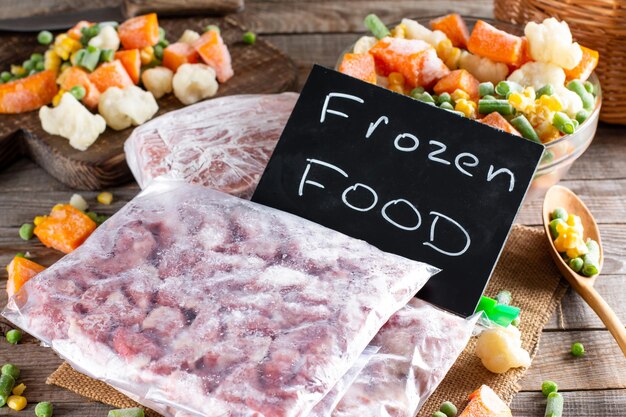
Freezing is one of the oldest and most reliable methods of food preservation, yet it remains one of the most misunderstood. Many people assume that freezing negatively affects taste and nutrition, but modern food science tells a different story. With advancements in freezing technology and cold storage systems, frozen food has become a dependable option for maintaining both flavor and nutritional value. Understanding how freezing works helps explain why frozen food continues to play an important role in modern diets.
The Science Behind Freezing Food
Freezing works by lowering the temperature of food to a point where microbial activity and enzymatic reactions slow down significantly. These reactions are responsible for spoilage, texture changes, and nutrient loss in food. When food is frozen quickly and stored at consistent low temperatures, these processes are effectively paused.
This slowing of biological activity helps preserve the original characteristics of food, including taste, color, texture, and nutritional content. As a result, frozen food can remain close to its original quality for extended periods.
Quick Freezing and Taste Preservation
One of the key factors in preserving taste is the speed at which food is frozen. Modern quick-freezing methods form smaller ice crystals within the food. Smaller ice crystals cause less damage to the food’s cellular structure, which helps maintain texture and flavor when the food is cooked later.
Slow freezing, by contrast, can create large ice crystals that rupture cell walls, leading to moisture loss and changes in texture. Today’s advanced freezing techniques have largely solved this problem, allowing frozen food to taste fresher and more natural when prepared correctly.
Locking in Natural Flavors
Taste is closely linked to freshness. Many foods are frozen shortly after harvesting or preparation, which helps lock in their natural flavors. Fresh food, if stored for long periods or transported over long distances, can lose flavor due to exposure to air and temperature changes.
By freezing food at peak freshness, producers can preserve its original taste. This is why frozen food, when cooked properly, often tastes just as good as food prepared from fresh ingredients.
Nutrient Preservation Through Freezing
Nutrients such as vitamins and minerals begin to degrade as soon as food is harvested or prepared. Freezing slows this degradation process by reducing enzyme activity and oxidation. This helps maintain nutritional value over time.
Some water-soluble vitamins may experience minimal loss during initial preparation, but once frozen, nutrient levels remain stable for long periods. In many cases, frozen food retains more nutrients than fresh food that has been stored for several days in a refrigerator.
Comparing Frozen and Fresh Foods
Fresh food is often considered the gold standard for nutrition, but this is not always accurate. The nutritional quality of fresh food depends on how quickly it is consumed. Fresh food that sits in storage or travels long distances may lose a significant portion of its nutrients before reaching the consumer.
Frozen food, on the other hand, offers consistency. Its nutritional profile remains relatively stable from the time it is frozen until it is used. This reliability makes frozen food a practical choice for maintaining balanced nutrition, especially for busy households.
The Role of Packaging and Storage
Proper packaging plays an important role in preserving taste and nutrients. Airtight packaging protects frozen food from freezer burn, moisture loss, and oxidation. Modern packaging materials are designed to maintain quality while preventing contamination.
Consistent storage temperatures are equally important. When frozen food is kept at the correct temperature and handled properly, its quality remains intact until cooking. Trusted brands like Orange Food Expert focus on maintaining strict freezing and storage standards to ensure that products reach consumers in optimal condition.
Cooking Methods Matter
How frozen food is prepared also affects taste and nutrition. Overcooking can lead to nutrient loss and texture changes, while proper cooking methods help preserve quality. Following recommended cooking instructions ensures the best possible results.
Unlike fresh food, frozen food often requires minimal preparation, reducing the risk of nutrient loss during handling. This efficiency supports both taste and nutritional retention.
Addressing Common Misconceptions
A common misconception is that freezing requires artificial preservatives. In reality, freezing itself acts as a natural preservative. By inhibiting bacterial growth and slowing chemical reactions, freezing allows food to remain safe and nutritious without the need for added chemicals.
This makes frozen food a clean and effective preservation method when proper standards are followed.
Conclusion
Freezing is a scientifically proven method that helps preserve both taste and nutrients by slowing spoilage and maintaining food structure. With modern freezing techniques, proper packaging, and controlled storage, frozen food offers consistent quality and reliable nutrition. Supported by trusted brands like Orange Food Expert, consumers can confidently rely on Frozen Food Items as a practical, flavorful, and nutritious option that fits seamlessly into today’s fast-paced lifestyles.