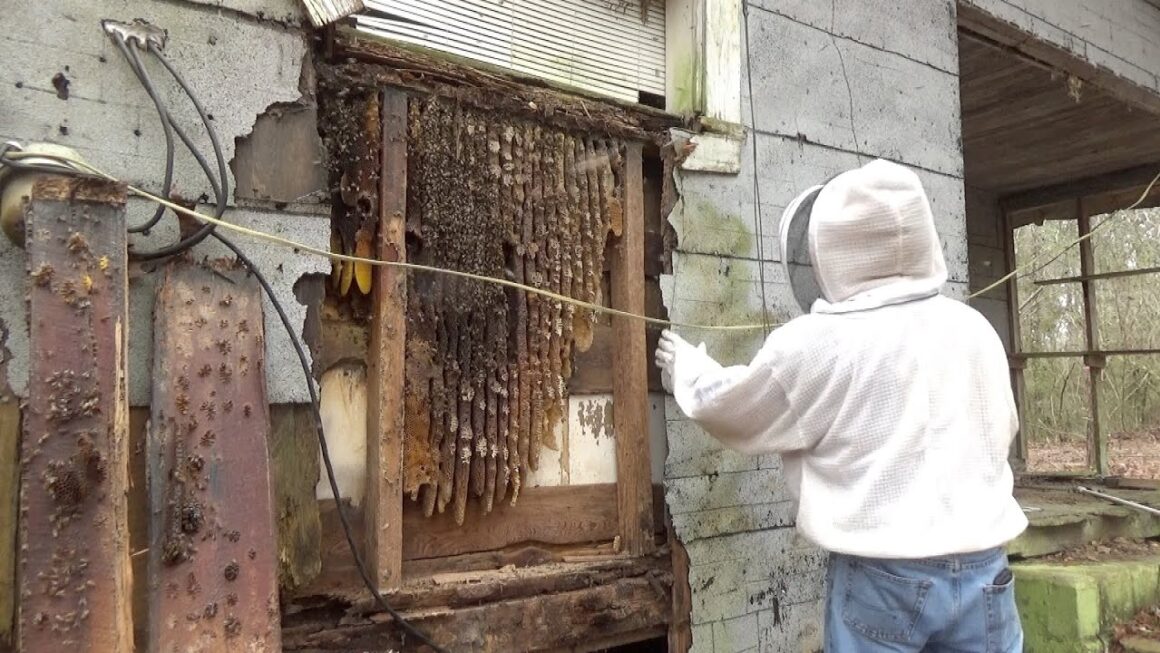
Bees are essential contributors to environmental stability, yet residential nesting often creates concern for homeowners. Many yards unintentionally replicate natural habitats that support long-term bee settlement and reproduction. Warmth, shelter, moisture, and reliable forage collectively determine whether bee colonies remain nearby. When these conditions align, bees interpret residential environments as safe ecological extensions. Bee colonies instinctively seek locations minimizing energy expenditure while maximizing survival efficiency. Residential yards frequently provide protected cavities, flowering plants, and consistent water access. Over time, repeated foraging reinforces nesting preference through learned behavioral patterns. These habits strengthen colony attachment to specific locations.
Seasonal cycles further influence bee movement and expansion decisions. Spring and early summer trigger reproductive phases requiring additional nesting space. During this period, scouting bees evaluate yards more aggressively. Early awareness helps homeowners intervene before colonies establish permanence. Human landscaping trends inadvertently encourage bee settlement. Dense gardens, ornamental water features, and shaded construction replicate woodland and meadow ecosystems. These features signal habitat suitability to bees searching for stability. Adjusting environmental cues discourages settlement without ecological disruption.
Importantly, discouraging bee colonies does not mean eliminating pollinators entirely. Bees can thrive elsewhere while yards remain comfortable and safe. Balanced prevention protects both biodiversity and household well-being through thoughtful environmental design.
Landscaping Adjustments That Discourage Bee Colonies
Landscaping choices strongly influence whether bee colonies persist around homes. Flower placement near foundations often increases repeated foraging behavior unintentionally. Relocating flowering plants farther from structures reduces prolonged bee presence naturally. Plant density also affects habitat appeal. Dense growth creates shaded corridors supporting concealed movement and nest access. Strategic thinning improves sunlight exposure and airflow, reducing habitat suitability. These adjustments gradually shift bee activity away from living areas.
Mulch type plays a critical role in ground-nesting behavior. Organic mulch retains heat and moisture, encouraging subterranean nesting. Replacing mulch with gravel or stone near structures discourages burrowing effectively. This change preserves aesthetics while altering environmental signals. Fruit trees and flowering shrubs require routine maintenance. Fallen fruit increases sugar availability, intensifying foraging interest and nesting reinforcement. Prompt cleanup interrupts attraction cycles before colonies establish long-term attachment.
Water management also influences landscaping effectiveness. Over-irrigation creates moisture pockets attractive to bees. Adjusting watering schedules reduces hydration access without harming plant health. Landscaping awareness remains one of the most effective deterrents against bee colonies.
Structural Yard Features That Attract Bee Colonies
Structural features frequently provide unnoticed nesting opportunities across residential properties. Small gaps in fencing, sheds, and exterior walls create protected entry points. Bees favor these cavities for insulation and concealment. Wooden structures present particular risk due to heat retention and natural textures. Decks, pergolas, and storage sheds often remain undisturbed for extended periods. Over time, these areas support colony establishment unnoticed by homeowners.
Utility access points and siding gaps further increase vulnerability. Even minimal openings allow scouting bees to investigate potential nesting zones. Once activity begins, pheromone signaling attracts additional colony members. Outdoor plumbing leaks and irrigation runoff supply consistent water sources. Bees rely on water to regulate hive temperature and hydration. Moisture near structures significantly increases nesting probability.
Addressing these vulnerabilities requires routine inspection and preventative maintenance. Sealing cracks, repairing leaks, and reinforcing joints eliminates entry opportunities early. When activity escalates despite prevention, homeowners sometimes consult bee removal service in Universal City, LA for humane assessment and relocation guidance. This integrated approach resolves immediate concerns while correcting environmental contributors responsibly.
Natural Yard Management Practices
Natural management strategies focus on modifying incentives rather than eliminating insects chemically. Bees prefer stable environments offering hydration, shelter, and nutrition. Removing these incentives gradually encourages relocation elsewhere. Water discipline remains foundational within natural deterrence. Eliminating standing water reduces hydration availability, which is critical for hive maintenance. Dry conditions discourage long-term settlement without harming surrounding vegetation.
Plant selection also influences bee behavior significantly. Certain aromatic herbs naturally deter bees due to strong scents. Introducing these plants near activity zones redirects movement subtly. This method supports ecological balance while limiting proximity. Composting practices require careful consideration. Exposed organic matter attracts insects that indirectly increase bee interest. Secured compost systems minimize secondary attraction while maintaining sustainable waste management.
Consistent cleanliness reinforces natural deterrence. Removing debris eliminates potential nesting material and shelter. These habits cumulatively discourage bee colonies from returning year after year.
Strategies for Maintaining a Bee-Resistant Yard
Long-term success depends on consistency rather than reactive interventions. Seasonal inspections identify vulnerabilities before colonies establish permanence. Proactive observation reduces emergency responses significantly. Education strengthens prevention efforts substantially. Recognizing early indicators such as repeated flight paths allows timely action. Awareness empowers homeowners to respond confidently and calmly.
Community-wide participation improves effectiveness across neighborhoods. Coordinated landscaping and maintenance reduce migration between properties. Collective effort supports environmental harmony and shared safety. Technological assistance further enhances monitoring accuracy. Motion cameras and targeted lighting reveal hidden activity areas discreetly. These tools complement routine inspections without disrupting ecosystems.
Ultimately, making yards less inviting requires mindful stewardship rather than aggressive control. Natural adjustments preserve pollination benefits while protecting households. Through patience and consistency, homeowners reduce bee colonies responsibly and sustainably.