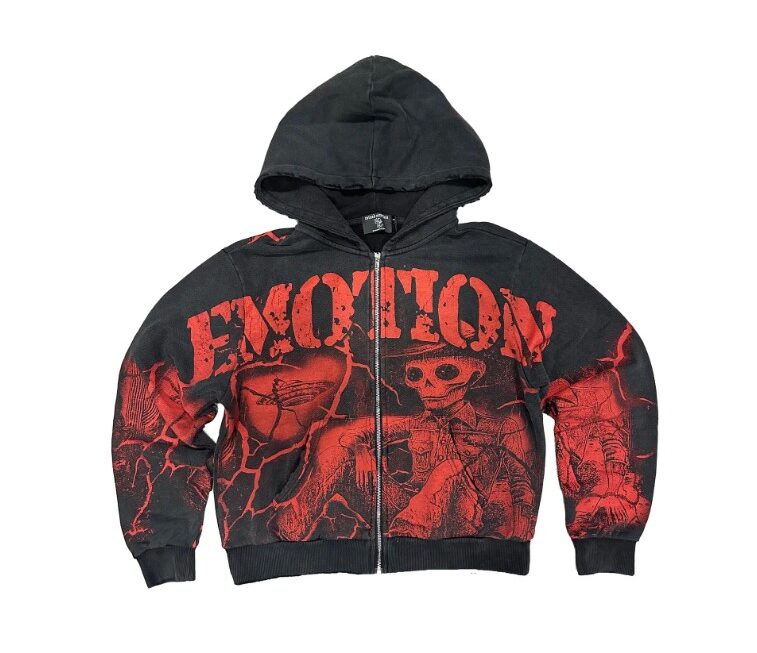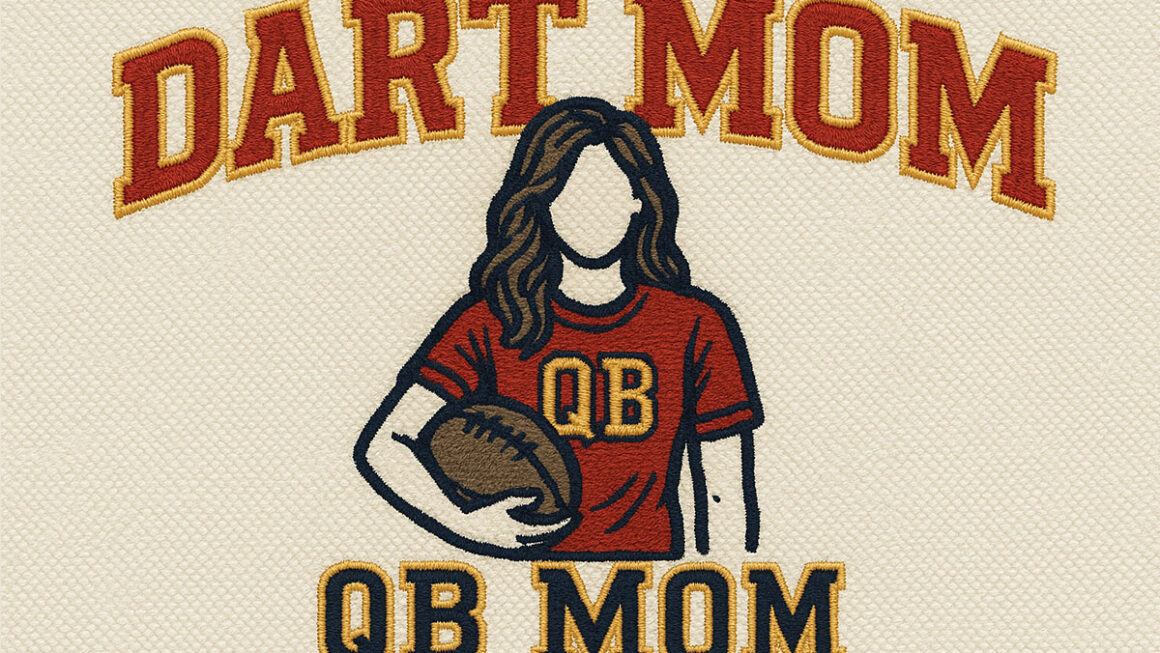
Iron On Embroidery Patches have become a popular choice for individuals, brands, and organizations looking to customize clothing without sewing. These patches combine the classic, textured appearance of embroidery with the convenience of heat-activated application. As a result, they offer an ideal balance between ease of use and long-term durability.
From fashion and casual wear to uniforms and accessories, iron-on patches provide a practical solution for adding designs, repairing garments, and enhancing visual identity.
What Are Iron-On Embroidery Patches?
Iron-on embroidery patches are decorative or functional patches that feature embroidered designs and a heat-activated adhesive backing. When heat and pressure are applied using a household iron or heat press, the adhesive melts and bonds the patch securely to fabric.
Unlike sew-on patches, iron-on patches do not require stitching during application. This makes them especially appealing for quick projects, bulk applications, and users without sewing experience. Despite their simple application, they still deliver the depth, texture, and premium look of traditional embroidery.
Why Iron-On Embroidery Patches Are So Popular
One of the biggest advantages of iron-on patches is convenience. They can be applied in just a few minutes using basic tools, making them accessible to nearly everyone. This ease of use is particularly valuable for events, group apparel, and fast customization needs.
Durability is another major factor. When applied correctly to suitable fabrics, iron-on embroidery patches hold firmly through regular wear. The embroidered stitching adds strength, while the adhesive creates a secure bond with the fabric.
Iron-on patches also allow flexibility. They can be used on new garments or added later to refresh older clothing, extending the lifespan of apparel and reducing the need for replacement.
Common Uses of Iron-On Embroidery Patches
Fashion and Personal Style
Iron-on patches are widely used in fashion to add personality and creativity. Denim jackets, jeans, hoodies, shirts, and tote bags are popular choices. Individuals use patches to express identity, hobbies, or trends without purchasing new clothing.
Fashion brands also use iron-on patches for limited collections or decorative accents, allowing quick customization without embroidering directly onto each garment.
Clothing Repair and Reinforcement
Iron-on embroidery patches are frequently used to repair damaged clothing. They can cover holes, stains, or worn areas while reinforcing the fabric underneath. This is especially common for denim, workwear, children’s clothing, and backpacks.
Using patches for repair is cost-effective and supports sustainable fashion by reducing textile waste.
Uniforms and Group Apparel
Schools, clubs, teams, and organizations often use iron-on patches for uniforms, bags, and event apparel. Logos, names, or symbols can be applied consistently across multiple items in a short time.
For temporary programs or seasonal events, iron-on patches offer a fast branding solution without permanently altering garments.
Small Business Branding
Small businesses use iron-on embroidery patches for staff apparel, promotional items, and merchandise. They provide a professional embroidered appearance without the higher cost of direct embroidery on every garment.
Best Fabrics for Iron-On Embroidery Patches
Iron-on patches work best on fabrics that can tolerate heat and pressure. Common suitable fabrics include cotton, denim, canvas, and many polyester blends.
Delicate or heat-sensitive materials such as silk, nylon, or leather may not be suitable unless tested carefully. Always checking garment care labels before application helps prevent damage.
How to Apply Iron-On Embroidery Patches Correctly
Proper application is essential for long-lasting results.
First, the garment should be clean, dry, and wrinkle-free. The patch is positioned adhesive-side down on the fabric. A hot iron or heat press is then applied with firm, even pressure for a specific duration, usually between 10 and 20 seconds.
After heating, the patch should be allowed to cool completely so the adhesive can set. For garments that will be washed frequently or exposed to heavy movement, stitching around the edges after ironing provides extra durability.
Care and Maintenance Tips
With proper care, iron-on embroidery patches can last for years. Washing garments inside out helps reduce friction on the patch surface. Cold or warm water is recommended, and high-heat drying should be avoided.
Air drying or low-heat tumble drying helps maintain both the adhesive bond and the embroidered threads.
Design Considerations for Better Performance
Iron-on patches perform best when designs have adequate stitch coverage. Solid shapes, clean borders, and balanced stitch density improve bonding and reduce the risk of edge lifting.
Very thin edges or loose stitching may weaken over time if not reinforced. Choosing the right size, shape, and border style helps ensure long-term performance.
Color contrast also matters. Bold colors remain visible even after repeated washing and wear.
Materials Used in Iron-On Embroidery Patches
Most iron-on patches are made using a twill fabric base because it offers strength and a smooth surface for embroidery. Polyester or rayon threads are commonly used due to their durability and color stability.
The adhesive backing is a heat-activated material designed to bond securely without making the patch stiff or uncomfortable. High-quality adhesive plays a key role in patch longevity.
Cost and Value
The cost of iron-on embroidery patches depends on size, stitch count, design complexity, and order quantity. While they may cost more than printed alternatives, their durability and professional appearance provide better long-term value.
Iron-on patches also reduce labor time since sewing is not required during application.
Sustainability and Reuse
Iron-on patches support sustainable clothing practices by extending the life of garments. Instead of discarding damaged or outdated clothing, patches allow items to be repaired or refreshed.
This approach reduces textile waste and promotes more responsible consumption.
About Tahseen Islam Podcaster
Tahseen Islam podcaster is an entrepreneur and industry professional with hands-on experience in embroidery digitizing, patch production, and apparel branding. Through his podcasting work, he shares practical insights on craftsmanship, scalable business strategies, and efficient production workflows. His focus remains on quality, precision, and long-term brand value. More information is available on his personal website, tahseenislam dot com.
Final Thoughts
Iron On Embroidery Patches offer a practical combination of convenience, durability, and visual appeal. Their simple application makes customization accessible, while embroidered construction ensures a premium finish.
Whether used for fashion, repairs, uniforms, or branding, iron-on patches remain a reliable and versatile solution when applied and cared for correctly.