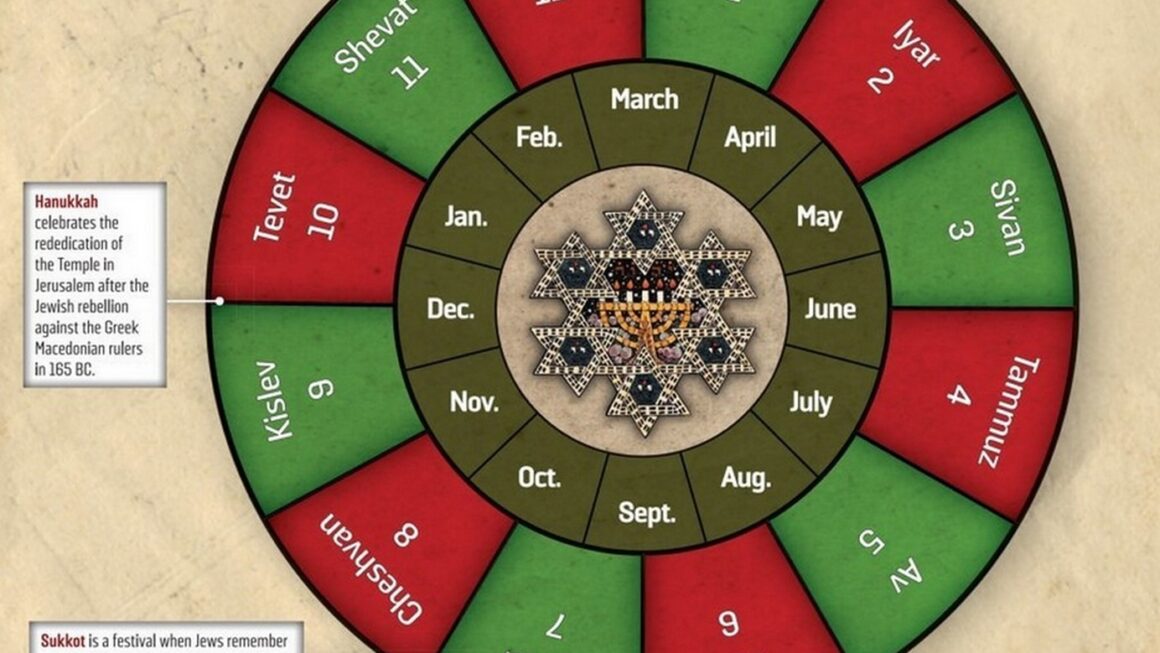
Jewish holy days are an integral part of Jewish life, culture, and identity. They provide moments for reflection, prayer, family gatherings, and spiritual renewal. These sacred days, rooted in biblical tradition and centuries of Jewish history, guide the rhythms of the Jewish calendar, shaping daily life and cultural practices.
The Jewish calendar is unique in that it follows a lunisolar system, combining lunar months with solar years. This ensures that festivals and holy days align with both the moon’s cycles and the agricultural seasons. Among the most significant Jewish holy days are Rosh Hashanah, Yom Kippur, Sukkot, Simchat Torah, Hanukkah, Purim, Passover (Pesach), Shavuot, and Tisha B’Av, each with its own historical, religious, and cultural importance.
Jerusalem, the spiritual heart of Judaism, plays a central role in observing these holy days. The city’s synagogues, historical sites, and community centers offer opportunities to engage deeply with tradition, celebrate festivals, and witness centuries-old rituals. For travelers seeking to experience Jewish holy days in comfort while remaining close to the heart of Jerusalem, staying at a centrally located hotel like Paamonim Hotel provides an ideal base. This article explores the history, observance, and modern significance of Jewish holy days, along with practical guidance for visitors.
Rosh Hashanah: The Jewish New Year
Overview
Rosh Hashanah, meaning “Head of the Year,” marks the beginning of the Jewish calendar year. It usually falls in September or October, on the first and second days of Tishrei. This holy day is a time of self-reflection, repentance, and renewal.
Rituals and Observances
- Shofar Blowing: The ram’s horn is blown in synagogues, awakening spiritual awareness.
- Festive Meals: Sweet foods such as apples dipped in honey symbolize the hope for a sweet new year.
- Tashlich Ceremony: Symbolic casting away of sins into flowing water.
- Prayers: Special prayers for forgiveness, health, and prosperity.
Significance
Rosh Hashanah begins the Ten Days of Repentance, culminating in Yom Kippur. It emphasizes self-examination, ethical reflection, and spiritual renewal.
Yom Kippur: The Day of Atonement
Overview
Yom Kippur, occurring ten days after Rosh Hashanah, is the holiest day of the Jewish calendar. It is dedicated to fasting, prayer, and repentance.
Rituals and Observances
- 24-Hour Fast: Observers refrain from food and drink.
- Synagogue Services: Extended prayers, including Kol Nidrei and Neilah.
- Confession and Repentance: Individuals seek forgiveness from God and others.
- Charity and Reflection: Acts of kindness accompany spiritual observance.
Significance
Yom Kippur allows individuals to cleanse spiritually, restore relationships, and start anew with a focus on moral and ethical living.
Sukkot: The Festival of Booths
Sukkot, celebrated five days after Yom Kippur, commemorates the Israelites’ 40-year journey in the desert. Temporary shelters, called sukkahs, are built, decorated, and used for meals and gatherings. Rituals include waving the Four Species (lulav, etrog, hadas, aravah) and inviting symbolic guests, known as ushpizin, into the sukkah.
Sukkot is both a harvest festival and a spiritual festival, emphasizing gratitude, hospitality, and remembrance of history. Jerusalem hosts vibrant Sukkot celebrations, making it a unique destination for observing this festival.
Simchat Torah: Joy of the Torah
Overview
Simchat Torah celebrates the completion and restart of the annual Torah reading cycle. It usually occurs immediately after Sukkot.
Rituals and Observances
- Dancing with Torah Scrolls: Congregants dance around the synagogue with the Torah.
- Processions: Multiple circuits (hakafot) celebrate the Torah’s central role in Jewish life.
- Joy and Festivity: Singing, feasting, and communal celebration define the day.
Simchat Torah emphasizes continuity, learning, and the joy of religious study.
Hanukkah: Festival of Lights
Overview
Hanukkah commemorates the rededication of the Second Temple in Jerusalem following the Maccabean revolt. It usually occurs in December and lasts eight days.
Rituals and Observances
- Lighting the Menorah: One candle is lit each night, symbolizing the miracle of the oil.
- Traditional Foods: Latkes (potato pancakes) and sufganiyot (jelly doughnuts).
- Games and Celebrations: Playing dreidel and giving small gifts.
Hanukkah celebrates religious freedom, resilience, and the triumph of light over darkness.
Purim: Celebration of Deliverance
Overview
Purim commemorates the deliverance of the Jewish people in ancient Persia, as told in the Book of Esther. It is a festive and joyous holiday, usually celebrated in March.
Rituals and Observances
- Reading the Megillah: The Book of Esther is read aloud in synagogues.
- Costumes and Festivities: People wear costumes and masks.
- Charity and Gifts: Giving food (mishloach manot) and charity to the needy.
- Feasting: Celebratory meals and parties.
Purim emphasizes courage, community, and the triumph of justice.
Passover (Pesach): Freedom and Liberation
Overview
Passover celebrates the Israelites’ exodus from Egypt and liberation from slavery. It usually occurs in March or April.
Rituals and Observances
- Seder Meals: A ceremonial meal retelling the story of the Exodus.
- Matzah Eating: Unleavened bread symbolizes haste and humility.
- Cleaning for Chametz: Removal of leavened products from the home.
- Reading the Haggadah: Storytelling and symbolic rituals.
Passover emphasizes freedom, gratitude, and spiritual renewal.
Shavuot: Festival of Revelation
Overview
Shavuot, occurring seven weeks after Passover, celebrates the giving of the Torah at Mount Sinai.
Rituals and Observances
- All-Night Study: Learning Torah through the night.
- Dairy Foods: Symbolizing prosperity and the Torah’s sweetness.
- Synagogue Services: Special prayers and Torah readings.
Shavuot highlights the centrality of Torah study, spiritual growth, and the covenant with God.
Tisha B’Av: Day of Mourning
Overview
Tisha B’Av is a day of fasting and mourning, commemorating the destruction of the First and Second Temples and other tragedies in Jewish history.
Rituals and Observances
- Fasting: Complete abstention from food and drink.
- Reading Lamentations: Expressing sorrow and reflection.
- Prayer and Reflection: Emphasis on repentance and remembrance.
Tisha B’Av reminds the Jewish community of resilience, faith, and the importance of preserving heritage.
Observing Jewish Holy Days in Jerusalem
Jerusalem, the spiritual center of Judaism, offers unique opportunities for observing holy days:
- Synagogue Participation: Join local congregations for prayers and rituals.
- Historic Sites: Western Wall, Mount of Olives, and other sacred landmarks enhance the experience.
- Cultural Programs: Museums, exhibitions, and guided tours provide educational context.
- Community Engagement: Public celebrations, festivals, and family-friendly events allow participation in local traditions.
Paamonim Hotel – A Perfect Stay for Holy Day Observances
Paamonim Hotel provides an ideal location for travelers seeking to experience Jewish holy days in Jerusalem. Centrally located near Jaffa Street and within walking distance of the Old City, the hotel allows guests to easily attend synagogue services, participate in cultural events, and explore historic sites. Paamonim Hotel offers comfortable, family-friendly accommodations and kosher dining options to accommodate religious observance. Its attentive staff provides guidance and support for visitors observing holy days, ensuring a seamless and enriching stay. Guests can combine comfort, accessibility, and immersion in Jerusalem’s sacred traditions when staying at Paamonim Hotel.
Practical Tips for Visiting Jerusalem During Jewish Holy Days
- Book in Advance: Hotels and flights fill quickly during peak holiday seasons.
- Stay Central: Choose hotels near the Old City or major synagogues.
- Plan for Festivals: Coordinate visits with public events, prayers, and cultural programs.
- Respect Traditions: Dress modestly and observe local customs, especially near sacred sites.
- Use Hotel Services: Concierge and guided tours can enhance your experience of each holy day.
Conclusion
Jewish holy days are a rich tapestry of history, spirituality, and cultural heritage. They guide the rhythms of Jewish life, bringing families together, fostering community, and deepening spiritual awareness. From the solemn reflection of Yom Kippur to the joyous celebration of Sukkot and Hanukkah, each festival offers unique opportunities to engage with faith, tradition, and Jerusalem’s vibrant culture.
Paamonim Hotel provides a perfect home base for visitors wishing to experience Jewish holy days in Jerusalem. Its central location, family-friendly accommodations, and focus on hospitality make it ideal for combining comfort with immersion in the city’s sacred traditions.
Experiencing Jewish holy days in Jerusalem offers visitors a rare chance to connect with history, spirituality, and cultural richness, creating memories that last a lifetime.