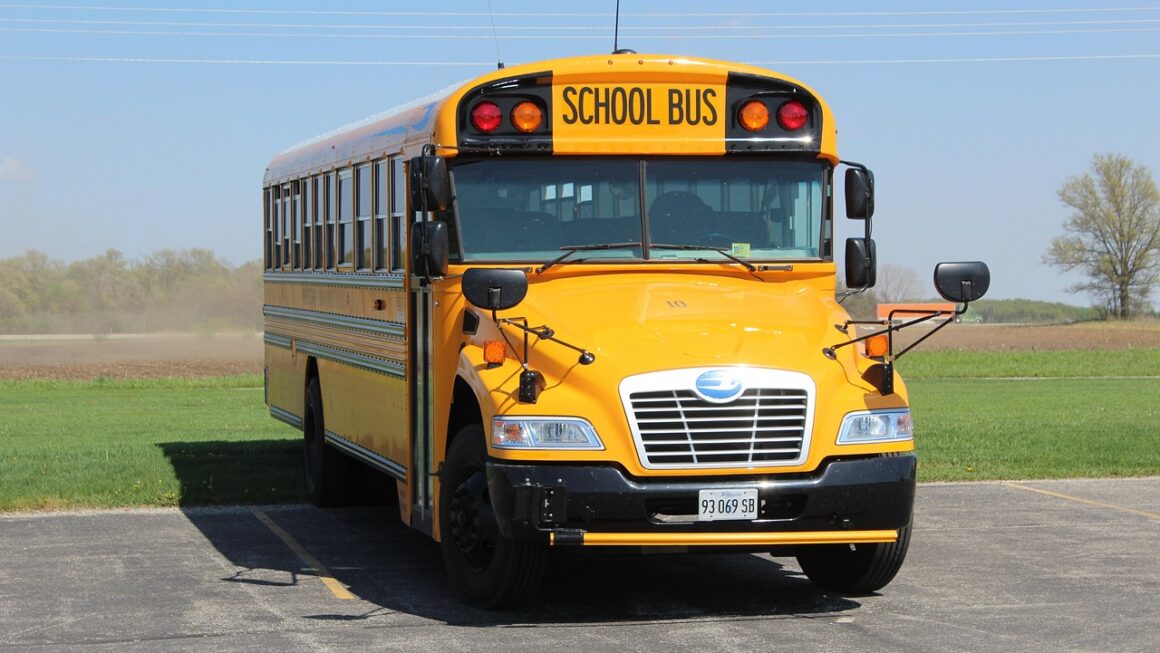
School bus transportation is a vital service that ensures students have a safe, reliable way to travel to and from school. It serves millions of children daily, often managed by local school boards or specialized transportation companies. The primary aim of school bus transportation is to provide efficient, secure, and accessible travel for eligible students.
This service varies between regions but typically includes coordinated routes, safety protocols, and clear eligibility rules that outline which students qualify for bus service. In some areas, families are responsible for transportation if students live within a designated non-transportation zone near their school.
By understanding how school bus transportation works and the systems behind it, families, educators, and communities can better support and improve this essential service. The focus remains on safety, punctuality, and meeting the needs of diverse school populations.
Key Aspects of School Bus Transportation
School transportation relies on strict adherence to safety rules, ongoing vehicle care, and well-trained drivers. These elements work together to provide reliable and secure travel for students daily.
Safety Regulations and Standards
School buses must comply with rigorous safety regulations designed to protect passengers and pedestrians alike. Standards cover emergency exits, seat design, lighting, and visibility, ensuring the bus’s structural integrity in crashes.
In Canada, over 40 specific Motor Vehicle Safety Standards apply, including measures for controlling traffic flow around the bus. These rules help reduce risks outside and inside the vehicle, such as during loading and unloading.
Safety also involves clear operational protocols, like bus stop procedures and student behavior rules. All parties—drivers, parents, schools—play a role in maintaining a secure environment.
Vehicle Maintenance and Inspections
Regular maintenance is critical to prevent breakdowns and ensure the mechanical reliability of school buses. Inspections cover brakes, tires, engine systems, lights, and safety equipment to identify faults early.
School bus fleets usually follow strict schedules for checks, ranging from daily visual inspections to more in-depth monthly or quarterly servicing. This routine helps avoid accidents caused by equipment failure.
Proper upkeep also extends bus longevity and complies with legal requirements, maintaining roadworthiness and passenger confidence.
Driver Training and Qualifications
Bus drivers receive specialized training tailored to student safety and vehicle operation. This includes defensive driving, emergency response, and managing student behavior on board.
Licensing requirements are stringent. Drivers must pass background checks, health screenings, and obtain commercial licenses with school bus endorsements.
Ongoing professional development refreshes skills and updates drivers on new safety technologies and regulations. Well-trained drivers are essential in minimizing risks and responding effectively to incidents.
Improving School Bus Transportation Services
Enhancing school bus transportation involves targeted improvements in scheduling, safety, and environmental impact. Efforts focus on optimizing routes, increasing accessibility for all students, and adopting greener practices to reduce emissions and operational costs.
Route Planning and Efficiency
Efficient route planning reduces travel time, fuel consumption, and labor costs. Modern systems use GPS tracking and AI-driven software to design optimal routes based on student locations, traffic conditions, and timing constraints. These tools enable dynamic adjustments, improving on-time performance and reducing unnecessary mileage.
Collaboration with transportation partners ensures routes remain aligned with changing school schedules and enrollment patterns. Continuous monitoring and data analysis help identify bottlenecks and areas for improvement. This approach boosts productivity while maintaining reliable and safe transportation for students.
Student Accessibility and Inclusion
School transportation services strive to accommodate students with diverse needs. This includes routes accessible for students with disabilities and those living in underserved areas. Schools work to ensure equitable access by coordinating with families and adapting services to meet specific requirements.
Policies encourage providing safe pick-up and drop-off points in all neighborhoods, enhancing transportation equity. Training for bus drivers on handling various student needs and implementing safety measures also factor into creating an inclusive environment.
Sustainable Transportation Initiatives
Sustainability efforts focus on reducing carbon emissions and conserving resources. Many districts invest in buses powered by cleaner technologies like electric or biodiesel engines. These alternatives help lower pollutants and contribute to better air quality.
Additionally, optimizing routes reduces fuel waste. Schools are adopting data-driven fleet management systems to track emissions and identify opportunities for greener operations. Combining technology with environmental policies supports long-term cost savings and healthier communities.