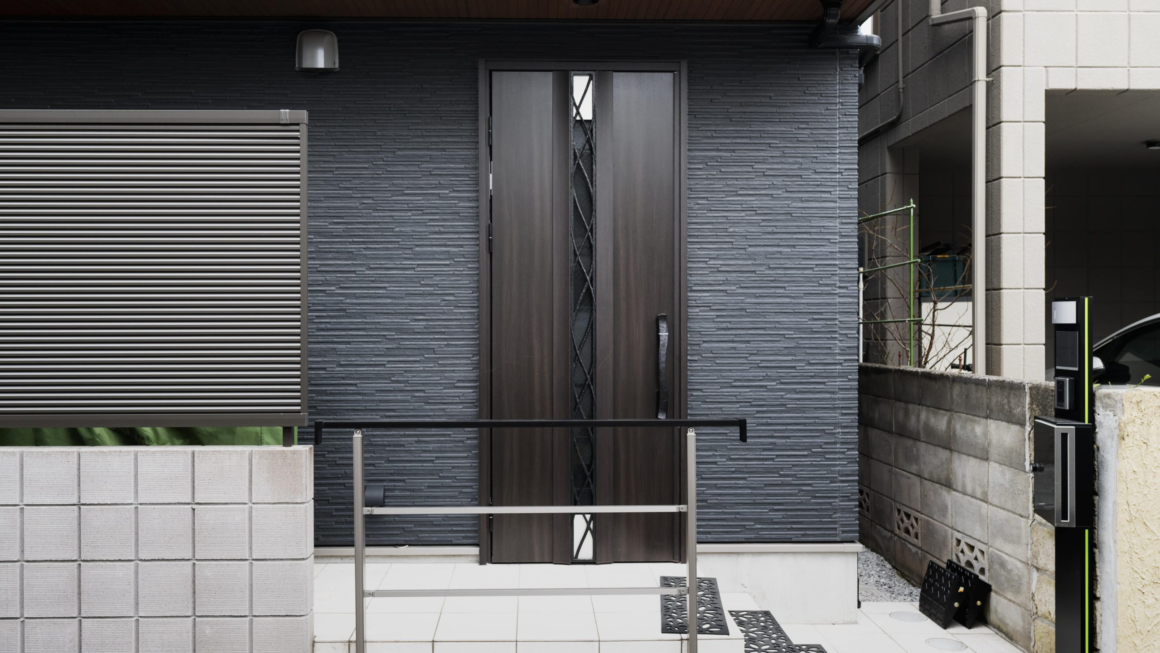
Across the UK, homeowners are increasingly reassessing the role doors play within their properties. Once treated as purely functional components, doors are now recognised for their influence on insulation, security, and overall building performance. Standard, mass-produced door options often struggle to meet the varied structural and lifestyle demands of modern homes. As expectations around comfort, efficiency, and longevity rise, custom door designs are becoming a preferred alternative. This shift reflects a broader move towards tailored building solutions that prioritise fit, performance, and long-term value over convenience alone.
Changing Requirements in Modern UK Homes
UK housing stock is diverse, ranging from older properties with irregular openings to newer builds with complex layouts. As homes evolve through extensions, refurbishments, and internal reconfiguration, door openings rarely remain uniform. Standard door sizes, designed for general use, often fail to accommodate these variations accurately.
Modern living also places greater emphasis on thermal efficiency and internal comfort. Doors now need to perform as part of the building envelope rather than simply dividing spaces. This has increased demand for solutions that address draught control, heat retention, and consistent operation. As homeowners become more informed, there is growing recognition that one-size-fits-all solutions are often insufficient for long-term performance.
What Standard Door Designs Are Built For
Standard doors are primarily manufactured for speed, consistency, and cost efficiency. They are produced in fixed sizes with average tolerances that suit typical openings but leave little room for variation. While this approach supports affordability and availability, it also limits adaptability.
Practical Limitations of Standard Door Manufacturing
- Fixed dimensions that may not align with existing openings
- Generic frame depths and profiles
- Limited flexibility in material specification
- Average performance benchmarks rather than optimised results
These limitations become more apparent when doors are expected to deliver insulation, durability, and security beyond basic requirements.
What Makes a Door “Custom” From a Technical Perspective
Custom door designs are defined by specification rather than appearance alone. They are fabricated based on precise measurements taken from the opening, allowing frames, panels, and thresholds to be tailored to the property.
Customisation extends to structural depth, sealing systems, and hardware selection. This ensures that each component works together effectively rather than relying on compromise. The result is a door system designed to perform optimally within its specific environment, rather than adapting the environment to fit the door.
Fit Accuracy and Why It Matters More Than Design
Accurate fit is one of the most significant advantages of custom door solutions. Poorly fitting doors create gaps that allow air leakage, moisture ingress, and uneven load distribution. Over time, these issues affect comfort and durability.
A made-to-measure approach ensures that the door aligns precisely with the opening, allowing seals to compress evenly and frames to remain stable. This level of accuracy is particularly important when coordinating windows and doors Cardiff, where consistent performance depends on correct integration and precise fitting across multiple openings.

Thermal Efficiency Differences Between Standard and Custom Doors
Thermal performance is closely linked to how well a door fits and seals. Standard doors often rely on generalised tolerances, which can leave cold spots around frames. Custom doors reduce this risk by aligning frame dimensions and seal placement precisely to the structure.
Table: Standard vs Custom Doors – Performance Comparison
| Performance Factor | Standard Doors | Custom Doors |
| Opening tolerance | Fixed | Site-measured |
| Seal compression | Average | Optimised |
| Heat retention | Variable | Consistent |
| Draught control | Limited | Enhanced |
Improved thermal control contributes to stable indoor conditions and reduced energy loss.
Material Specification and Durability Control
Custom door designs allow homeowners to select materials based on exposure, usage frequency, and maintenance expectations. This level of control is rarely available with standard options, which are often limited to preset combinations.
Material choice influences rigidity, surface resistance, and long-term stability. By matching materials to environmental demands, custom doors maintain performance for longer periods without frequent adjustment or repair.
Security Expectations in Contemporary Door Design
Security requirements have evolved alongside building standards. Doors are now expected to resist forced entry while maintaining smooth operation and reliable locking.
Custom doors allow reinforcement to be incorporated directly into frames and panels, ensuring alignment between locking mechanisms and structural elements. Standard doors may offer security features, but these are often constrained by fixed designs that limit integration.
Visual Integration With Property Architecture
Doors play a visible role in defining a property’s character. Standard designs often struggle to align proportionally with façades, extensions, or interior layouts, leading to visual inconsistency.
Custom doors allow control over proportions, finishes, and detailing, helping them integrate naturally with surrounding elements. This approach supports visual balance when coordinating doors in Cardiff with existing architectural features, without requiring unnecessary compromise.
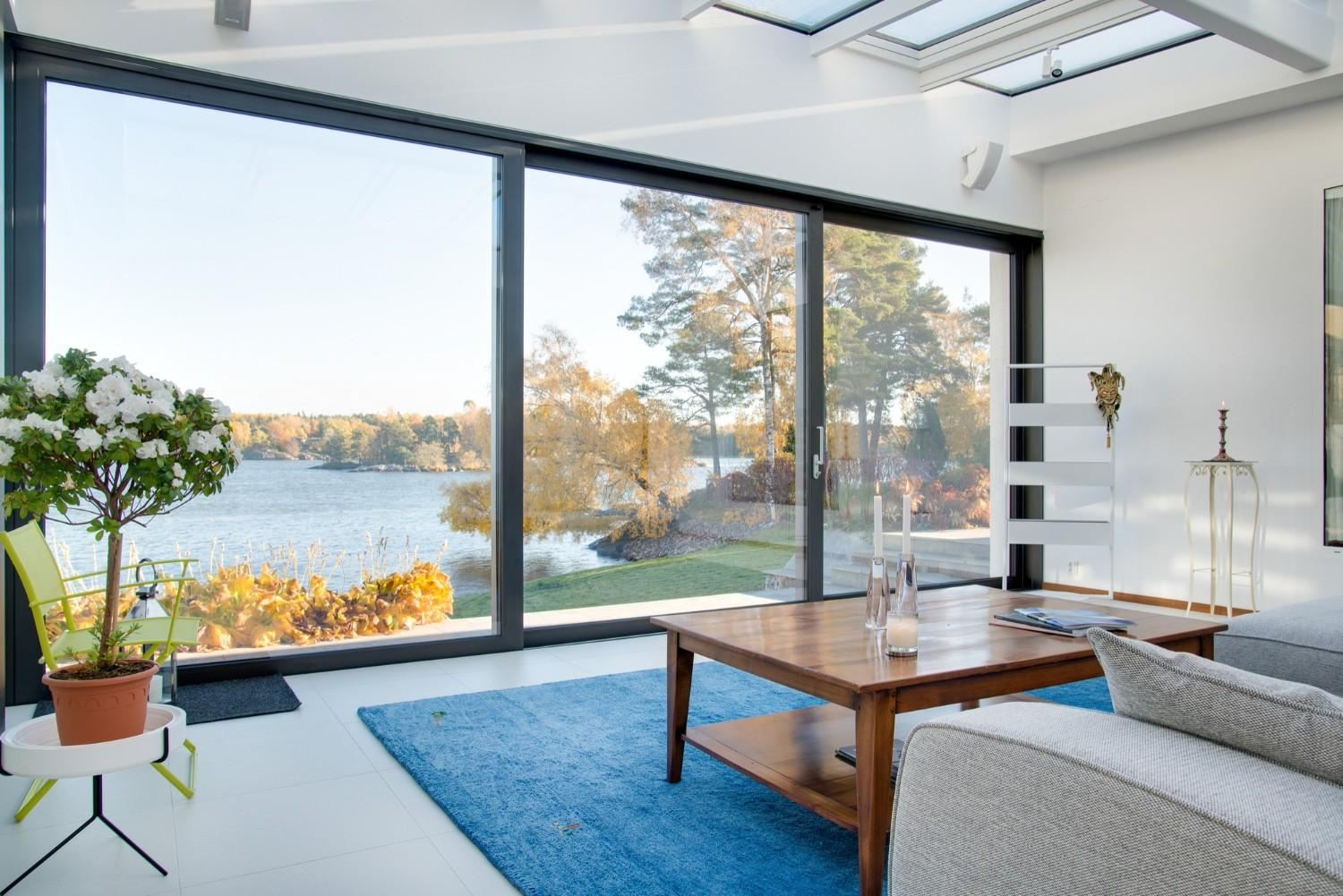
Lifecycle Cost Comparison: Standard vs Custom Doors
While custom doors may involve a higher initial cost, they often deliver better value over time. Improved fit reduces wear, while durable materials limit the need for early replacement.
Standard doors may require repeated adjustments, seal replacement, or premature upgrades due to performance limitations. Over the lifespan of the door, these additional costs can outweigh initial savings.
Installation Precision and System Compatibility
Custom doors rely on precise installation to deliver their full benefits. Because they are designed to exact specifications, accurate fitting ensures that frames, seals, and hardware operate as intended.
Compatibility between door systems and surrounding structures reduces movement, stress, and long-term distortion. Installation precision is therefore not an optional extra but a core component of custom door performance.
Why UK Homeowners Are Moving Away From One-Size-Fits-All
The shift away from standard door options reflects a broader change in how homeowners approach building decisions. There is increasing awareness that tailored solutions offer greater control, predictability, and long-term reliability.
Custom doors address specific challenges rather than providing generic answers. This approach aligns with modern expectations around comfort, efficiency, and durability, making bespoke solutions a practical choice rather than a luxury.
Conclusion
Custom door designs are replacing standard options in UK homes because they offer superior fit, performance, and long-term value. Precise sizing, controlled material selection, and improved thermal and security performance address the limitations of mass-produced doors. As homeowners seek solutions that adapt to their properties rather than forcing compromise, bespoke designs provide a clear advantage. AO Builders Cardiff recognises the importance of informed, performance-led decisions that support durability, comfort, and consistency across modern homes.