Picture this: You’re at a bustling networking event, juggling a coffee cup, your phone, and a stack of traditional paper business cards that are slowly wilting in your sweaty palm. Someone asks for your contact information, and you scramble to find a card that isn’t crumpled. Sound familiar? There’s a better way, and it fits right in your wallet—or better yet, on your phone. Welcome to the world of NFC business cards, where networking meets the future.
If you’re still handing out paper cards in 2025, you’re not just behind the times—you’re missing out on a powerful tool that could transform how you connect with potential clients, partners, and colleagues. Let’s dive into why an NFC business card should be your next professional upgrade.
What Exactly Is an NFC Business Card?
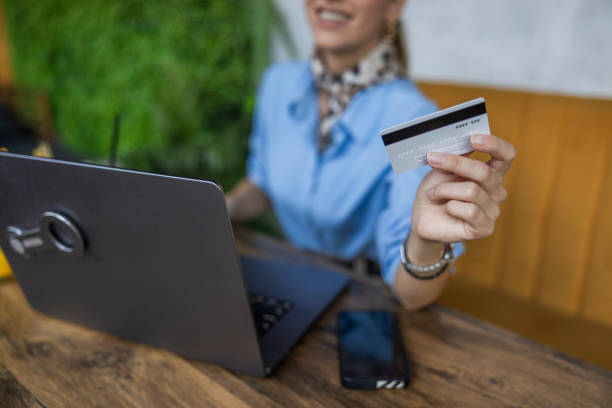
Before we get into the exciting benefits, let’s clear up what we’re talking about. NFC stands for Near Field Communication, a technology that allows two devices to communicate when they’re close together—usually within a few centimeters. You’ve probably used NFC already if you’ve ever made a contactless payment with your phone or credit card.
An NFC business card works on the same principle. It’s a physical card embedded with a tiny NFC chip that stores your contact information, website links, social media profiles, and virtually any other digital content you want to share. When someone taps their smartphone against your NFC card, all that information transfers instantly to their device. No typing, no mistakes, no hassle.
These cards come in various forms—from sleek metal or plastic cards that look like premium credit cards to digital versions that work entirely through your smartphone. The beauty is that they work with almost any modern smartphone, whether it’s an iPhone or Android device, without requiring any special apps.
The Environmental Case You Can’t Ignore
Let’s talk about the elephant in the room—or rather, the tree that becomes your paper business cards. Americans alone throw away approximately 88% of the business cards they receive within a week. That’s millions of cards ending up in landfills, representing countless trees, water, and energy wasted in production.
One NFC card can replace thousands of paper cards over its lifetime. You’re not just saving trees; you’re reducing the carbon footprint associated with printing, shipping, and disposing of paper cards. In an age where sustainability matters, showing up with an eco-friendly networking solution sends a powerful message about your values and forward-thinking approach.
Never Run Out of Cards Again
Here’s a scenario that’s happened to every professional: You’re at an event that’s going better than expected. People are interested in what you do, connections are flowing, and then—disaster. You reach into your pocket or cardholder and find you’re down to your last card, or worse, you’re completely out. Do you start rationing? Do you ask people to split a card? It’s awkward, and it’s a missed opportunity.
With an NFC business card, this problem vanishes completely. You can share your information with five people or five hundred people—it makes no difference. The card doesn’t wear out, and you never need to reorder. This unlimited sharing capability means you can be more generous with your networking, more confident at events, and never worry about running short at the worst possible moment.
Even better, if you’re using a digital NFC solution on your smartphone, you’ll always have your card with you. Forgot your wallet? No problem. Your digital business card is right there on the device you never leave home without.
Update Your Information in Real Time
Remember that sinking feeling when you ordered 500 business cards, only to change jobs, phone numbers, or addresses a month later? Those cards become expensive coasters, and you’re back to square one. This is perhaps one of the most frustrating aspects of traditional business cards—their permanence becomes a liability the moment anything changes.
Digital Business Cards solve this problem elegantly. Most NFC solutions connect to a cloud-based profile that you can update anytime, anywhere. Changed your email? Update it once, and everyone who has your NFC card will see the new information when they tap it. Launched a new product? Add it to your profile, and your card instantly reflects this change.
This dynamic nature means your card grows with you. You can update your portfolio, add new certifications, change your job title, or even completely rebrand your business without ever needing a new physical card. The people you networked with last year will still have access to your current information today.
Make a Memorable First Impression
In professional settings, first impressions matter enormously. People form opinions about you within the first seven seconds of meeting. Handing someone an NFC business card adds a “wow” factor that signals you’re tech-savvy, innovative, and ahead of the curve.
While everyone else fumbles with paper cards, you’re smoothly tapping your card against their phone—all your information appears instantly. It’s a conversation starter that positions you as someone who embraces innovation. In competitive industries, these small differentiators make you memorable when someone is sifting through dozens of contacts after an event.
Share More Than Just Contact Details
Traditional business cards are limited by physical space. You get a name, maybe a logo, contact information, and if you’re lucky, a tagline. That’s about it. But your professional identity is so much richer than what fits on a 3.5 by 2-inch card.
NFC business cards break these limitations wide open. You can share your LinkedIn profile, Instagram, Twitter, portfolio website, demo videos, product catalogs, calendar booking links, and even testimonials from satisfied clients. Want someone to see your latest project? Include a link. Want them to schedule a follow-up meeting right away? Embed your calendar.
This multimedia capability transforms your business card from a simple contact exchange into a comprehensive professional introduction. You’re not just giving someone a way to reach you—you’re giving them a gateway to everything you do. This is particularly valuable for creative professionals, entrepreneurs, and anyone whose work benefits from visual demonstration.
Seamless Integration with Digital Tools
NFC business cards integrate beautifully with the digital tools you’re already using. When someone taps your card, you can direct them straight into your CRM system, email marketing list, or contact management software. No more manual data entry or lost contacts because you couldn’t read someone’s handwriting.
For sales professionals, this is invaluable. You can track when people tap your card, see what information they viewed, and set up automated follow-up sequences. It’s networking with analytics, giving you insights that paper cards could never provide.
Cost-Effective in the Long Run
Yes, an NFC business card costs more upfront than a box of traditional cards. A quality NFC card might run you anywhere from $20 to $100, while paper cards might cost $20 for 500 cards. At first glance, paper seems cheaper.
But let’s do the math over time. If you give out 500 cards a year and reorder annually, you’re spending $20 per year, every year. Over five years, that’s $100, plus the time and hassle of reordering. And that’s assuming nothing about your information changes, which is unlikely.
One NFC card costs, say, $50 and lasts for years. No reprinting. No reordering. No shipping costs. No design fees every time you want to update something. When you factor in longevity, convenience, and the ability to update information freely, NFC cards become significantly more economical.
Perfect for the Hybrid Work Era
The professional landscape has fundamentally changed. Remote work and virtual meetings are now standard. Many NFC business card solutions allow you to share your digital card via QR code, text message, or email. This means you can “hand out” your card during a Zoom call or through social media.
This versatility is crucial in our connected but dispersed professional world. Your networking tool works whether you’re face-to-face at a conference or screen-to-screen in a virtual meeting, adapting to however and wherever you meet people.
Enhanced Security and Privacy
Traditional business cards are security liabilities. Once you hand someone a paper card, you’ve given them permanent access to your information with no control over how it’s used.
With NFC cards connected to digital profiles, you maintain control. Many platforms let you see who accessed your information and when. Some even let you revoke access or update what different people see. For professionals in sensitive industries or anyone concerned about privacy, this controlled sharing is invaluable.
Stand Out in a Sea of Sameness
At networking events, everyone exchanges paper cards that blur together. Black text on white card stock. Maybe a splash of color. But fundamentally, they’re all the same.
An NFC card immediately sets you apart. Whether it’s sleek metal or minimalist design, your card becomes a physical representation of innovative thinking. The technology itself becomes part of your personal brand—you become “the person with the tap card.” This memorability can be the difference between getting that follow-up call and being forgotten.
Easy for Everyone to Use
You might worry that NFC technology sounds complicated, but it’s incredibly simple. Recipients don’t need to download an app, create an account, or have any special technical knowledge. They simply hold their phone near your card for a second. A notification pops up, they tap it, and your information appears.
This simplicity means universal adoption. Even the least tech-savvy person can tap a phone against a card. The barrier to entry is essentially zero, making it easier than manually entering contact details from a paper card.
Future-Proof Your Networking
NFC technology isn’t going anywhere. It’s built into nearly every smartphone today, with expanding use cases from contactless payments to smart home devices. By adopting NFC business cards now, you’re aligning with established technology that’s becoming more integrated into daily life.
You’re positioning yourself as someone who anticipates change rather than reacts to it. In five years, when NFC networking is the norm, you’ll already be ahead of the curve.
The Social Proof Factor
Being an early adopter signals that you pay attention to emerging trends. When you use an NFC business card, you’re showing that you research and make informed decisions about professional tools. This perception matters, especially in tech, innovation, marketing, or any field where staying current is crucial.
Your NFC card becomes a silent testimonial to your forward-thinking approach, sending the message that you invest in yourself and your professional development.
Making the Switch: What You Need to Know
Ready to upgrade? First, decide between a physical NFC card or a digital solution. Physical cards offer a tangible networking tool, while digital solutions are always accessible on your phone.
Look for a provider that offers easy profile updating, analytics, and good design options. Consider what integrations matter most—CRM connectivity, social media, or calendar booking. Set up your profile thoughtfully with all relevant contact methods and additional value like links to your best work or testimonials.
Practice your pitch for the first few uses, explaining briefly how it works. After that, it becomes second nature, and you’ll wonder how you ever dealt with paper cards.
Frequently Asked Questions
Do NFC business cards work with all smartphones?
Yes, NFC business cards work with virtually all modern smartphones. iPhones from iPhone 7 and newer support NFC reading automatically, and most Android phones have NFC capability built-in. Recipients don’t need to download any apps.
How much does an NFC business card cost?
NFC business cards typically range from $20 to $100 per card, depending on material and features. While more expensive upfront than paper cards, one NFC card replaces thousands of paper cards over its lifetime, making it more cost-effective long-term.
Can I customize the design of my NFC business card?
Absolutely! Most providers offer extensive customization. Choose materials like metal, wood, or plastic, select colors, add your logo, and create a design that reflects your brand. Many providers offer design services to help create a professional-looking card.
What happens if I lose my NFC business card?
You can order a replacement that links to the same digital profile, so you won’t lose your data. Many providers offer digital backup options or smartphone virtual cards as backup networking solutions.
How secure is the information on my NFC business card?
NFC business cards are quite secure. The card contains a link to your online profile rather than storing sensitive information directly. You control what appears and can update or remove it anytime. NFC requires close proximity to function, so information can’t be accessed remotely.
Can I track who accesses my NFC business card information?
Many platforms include analytics showing when your card was tapped, where it was accessed, and what information was viewed. This helps you follow up with contacts and measure networking effectiveness in ways paper cards never could.
How long do NFC business cards last?
Quality NFC cards last several years with normal use. The chip has no moving parts and withstands millions of reads. The card’s lifespan is typically limited only by physical wear on the material. Many users report cards lasting three to five years or longer.